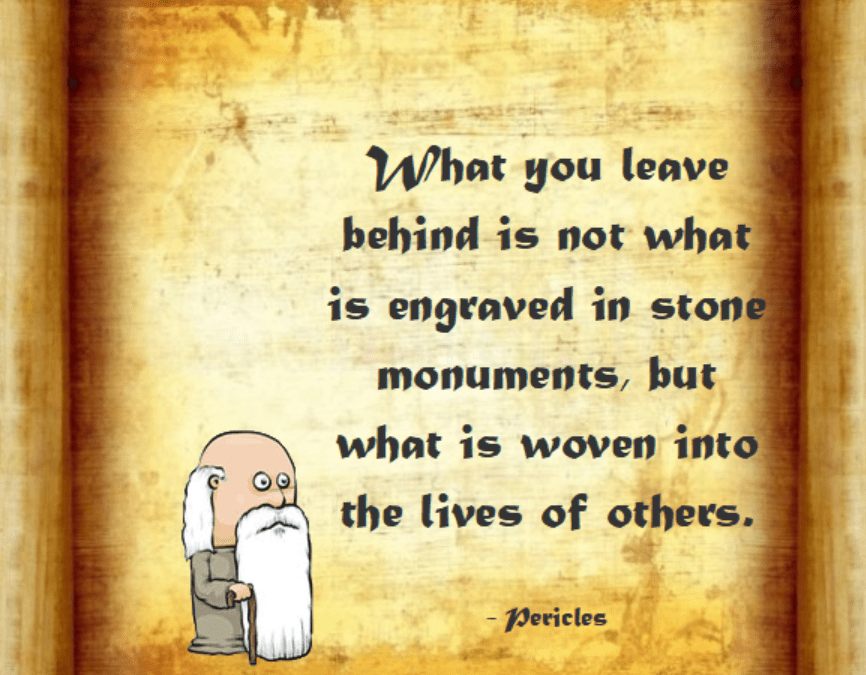
“What you leave behind is not what is engraved in stone monuments, but what is woven into the lives of others.”
Pericles
Pericles was an influential statesman, orator, and general in ancient Greece. He was born around 495 BCE and lived until 429 BCE. Pericles is often regarded as one of the most prominent figures in Athenian history and a key figure in the Golden Age of Athens.
Pericles rose to prominence in Athens during the 5th century BCE. He played a significant role in shaping Athenian democracy and strengthening the city-state’s political and cultural institutions. He championed the idea of democracy and believed in the power of the people to govern themselves.
Pericles was known for his exceptional oratory skills and delivered several influential speeches that inspired and rallied the citizens of Athens. He encouraged Athenian democracy, promoted the arts and literature, and sought to expand Athens’ influence and power.
Under Pericles’ leadership, Athens experienced a period of great cultural and intellectual flourishing. This era is often referred to as the Golden Age of Athens or the Age of Pericles. During this time, the city-state witnessed advancements in architecture, sculpture, drama, philosophy, and other areas of intellectual and artistic pursuits.
Pericles was also a military leader and played a vital role in the Peloponnesian War, a conflict between Athens and Sparta. Although the war ultimately resulted in Athens’ defeat, Pericles’ strategic decisions and leadership left a lasting impact on Athenian history.
Pericles’ influence and legacy extended beyond his lifetime. His vision and policies shaped Athenian democracy and contributed to its enduring influence on later democratic systems. His emphasis on the importance of culture, arts, and education left a lasting impact on Western civilization.
The quote “What you leave behind is not what is engraved in stone monuments, but what is woven into the lives of others” emphasizes the idea that a person’s true legacy is not measured solely by physical monuments or external achievements, but rather by the impact they have had on the lives of others.
Rather than focusing on material possessions or superficial accolades, the quote suggests that the true measure of a person’s influence lies in the positive and lasting effects they have on the people they encounter and the lives they touch. It suggests that the impact we make on others through our actions, words, and relationships is what truly endures beyond our physical presence.
The quote invites us to reflect on the importance of how we treat others, the values we embody, and the contributions we make to the well-being and happiness of those around us. It suggests that acts of kindness, compassion, love, and support are what truly leave a lasting impression and shape the memories and experiences of others.
In summary, the quote emphasizes the significance of the intangible and meaningful aspects of life rather than material possessions or external recognition. It encourages us to consider how we can positively impact others and leave a lasting legacy through the relationships we cultivate and the positive influence we have on those around us.
Thank you for reading my writings. If you’d like to, you can buy me a coffee for just £1 and I will think of you while writing my next post! Just hit the link below…. (thanks in advance)

 The Sage Page