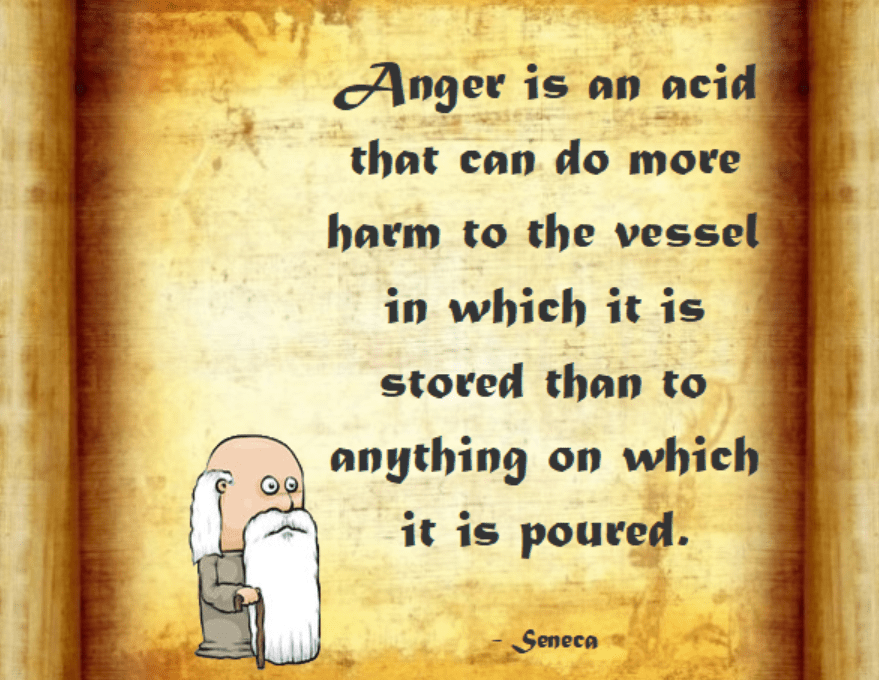
“Anger is an acid that can do more harm to the vessel in which it is stored than to anything on which it is poured.“
Mark Twain
Mark Twain was the pen name of Samuel Langhorne Clemens, an American author and humorist who lived during the 19th and early 20th centuries. He was born on November 30, 1835, in Florida, Missouri, and died on April 21, 1910, in Redding, Connecticut.
Mark Twain is best known for his novels “The Adventures of Tom Sawyer” (1876) and its sequel “Adventures of Huckleberry Finn” (1885). These books are considered classics of American literature and are often taught in schools. Twain’s writing style was characterized by his use of colloquial language and satire, and he often explored themes of social injustice and the human condition.
Beyond his literary work, Mark Twain was also a lecturer, entrepreneur, and travel writer. He gained international fame for his wit and humor, and his quotes and sayings are still widely quoted and celebrated today.
Mark Twain’s impact on American literature and culture has been significant, and he remains one of the most prominent and beloved authors in the history of the United States.
This quote means that holding onto anger and keeping it bottled up within oneself can be more damaging to the person experiencing the anger than to the person or situation that provoked the anger. The metaphor of “anger is an acid” suggests that anger can eat away at a person’s emotional well-being, just as acid can corrode and damage a physical vessel.
When someone holds onto anger, it can lead to various negative effects on their mental and emotional health. It can cause stress, resentment, and bitterness, which can lead to a deterioration of one’s overall well-being. Just like acid slowly corrodes a container, anger can erode a person’s happiness, peace of mind, and relationships over time.
The second part of the quote, “than to anything on which it is poured,” emphasizes that expressing anger outwardly and venting it onto others or a situation might cause harm, but that harm is usually temporary and external. However, when we suppress and hold onto anger, it festers within us, affecting our thoughts, feelings, and behavior, which can have more lasting and profound negative consequences.
In essence, the quote serves as a reminder of the importance of managing anger constructively, rather than allowing it to consume us from the inside. It encourages finding healthier ways to process and express anger, such as through communication, understanding, and forgiveness, to avoid causing long-term harm to ourselves and our relationships.
Thank you for reading my writings. If you’d like to, you can buy me a coffee for just £1 and I will think of you while writing my next post! Just hit the link below…. (thanks in advance)

 The Sage Page