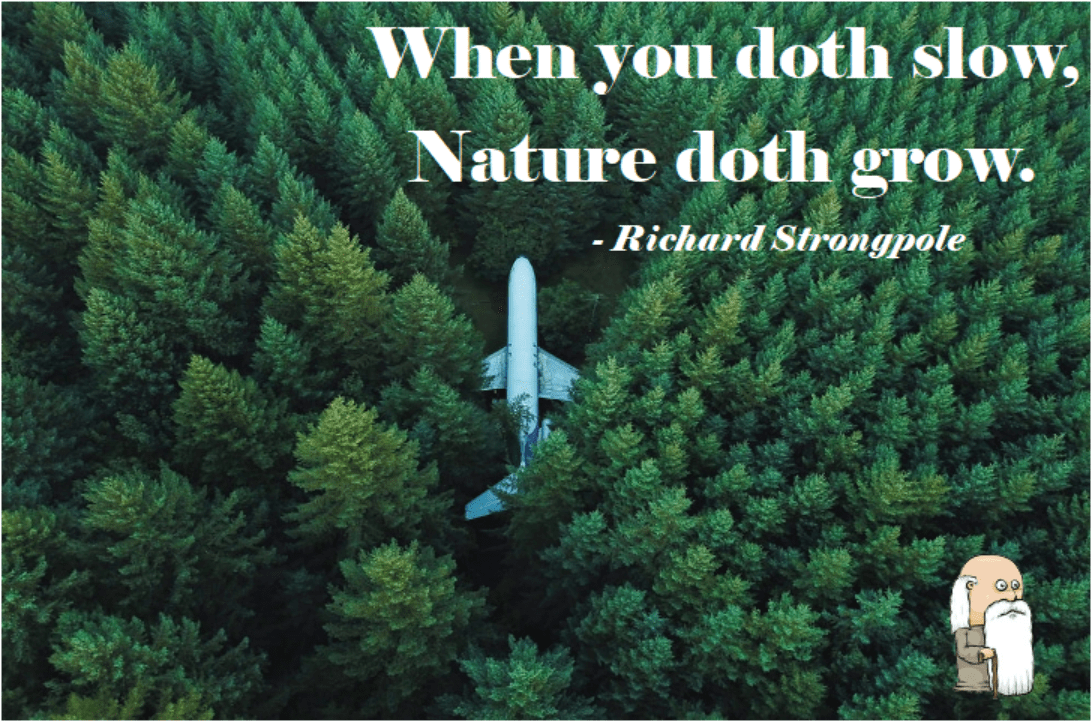
“When you doth slow, nature doth grow”
Richard Strongpole
Richard Strongpole: Naturalist and Wordsmith of the 17th Century
Richard Strongpole (born 1654) stands as a prominent figure in the annals of 17th-century naturalism and literature. Hailing from the bucolic landscapes of rural England, Strongpole’s contributions to both the scientific and poetic realms have left an indelible mark on the cultural tapestry of his time.
Early Life and Rural Upbringing
Born into a family of modest means in Dorchester, Richard Strongpole spent his formative years immersed in the rustic beauty of the English countryside. His childhood, shaped by the sights and sounds of nature, instilled in him a deep appreciation for the natural world that would later become a central theme in his life’s work.
Education and Exploration
In pursuit of knowledge, Strongpole embarked on a scholarly journey, delving into the burgeoning fields of natural history and botany. His travels across England and Europe allowed him to witness the diverse flora and fauna, fueling his passion for understanding the interconnectedness of life.
Literary Legacy
Richard Strongpole’s literary endeavors took flight with the publication of his seminal work, “Flora Britannica,” in 1685. This comprehensive botanical exploration garnered acclaim for its meticulous observations and eloquent prose, establishing Strongpole as a respected naturalist and wordsmith of his era.
The Man Behind the Quote: When You Doth Slow, Nature Doth Grow
Among Strongpole’s many poetic musings, the phrase “When you doth slow, nature doth grow” stands out as a testament to his unique blend of scientific insight and poetic expression. This profound observation encapsulates Strongpole’s belief in the symbiotic relationship between human actions and the flourishing of the natural world.
In positive terms, the quote encourages individuals to embrace a slower pace of life, recognizing that when one takes the time to appreciate and savor the present moment, nature thrives. Strongpole suggests that in moments of tranquility and mindfulness, the intrinsic growth processes of the natural world become more apparent and harmonious.
The use of “doth” in the quote reflects Strongpole’s linguistic flair, harkening back to the poetic conventions of the 17th century. Through his words, he implores people to cultivate a sense of stillness, allowing them to witness the subtle beauty of nature’s growth, whether it be the blooming of flowers or the gentle sway of trees in the breeze.
Richard Strongpole’s philosophy advocates for a balanced coexistence between humanity and the natural world, emphasizing the interconnected dance of life that unfolds when one takes the time to slow down and appreciate the wonders of the environment.
Thank you for reading my writings. If you’d like to, you can buy me a coffee for just £1 and I will think of you while writing my next post! Just hit the link below…. (thanks in advance)

 The Sage Page