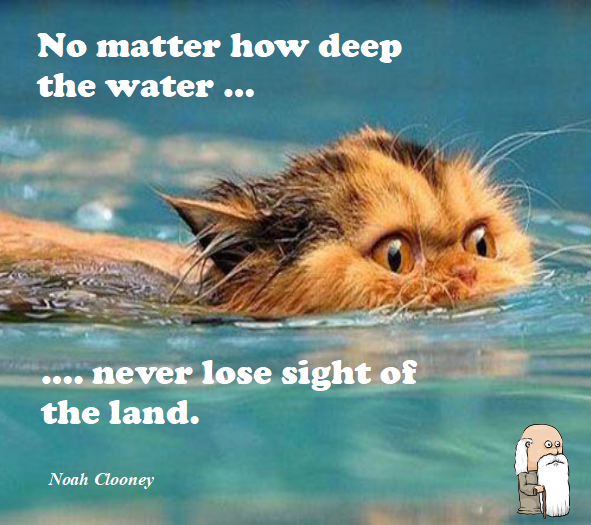
“No matter how deep the water, never lose sight of the land.” Noah Clooney Noah Clooney: Maritime Philosopher and Visionary Navigator Noah Clooney (born August 7, 1955) is a distinguished maritime philosopher and visionary navigator known for his profound insights into the human experience concerning the vastness of the sea. Born in a coastal townContinue reading “Quote of the Day: Purpose”
Category Archives: philosophy
Quote of the Day: Health

“Deal with the things that bug you or else you will catch a cold” Lewis Pasta Lewis Pasta: A Culinary Philosopher and Proponent of Personal Wellness Lewis Pasta (born January 25, 1950) is a renowned culinary philosopher and wellness advocate known for his unique perspectives on life and health. Born in Naples, Italy, Pasta’s earlyContinue reading “Quote of the Day: Health”
Quote of the Day: Energy

You have amazing energy. Illuminate everyone you touch. Terry Triumph Terry Triumph: A Luminary of Positivity Terry Triumph is a pseudonymous figure known for his profound impact on the realms of motivation and positivity. Born on June 12, 1955, the details of Terry’s personal life remain shrouded in mystery, deliberately obscured to emphasize the universalityContinue reading “Quote of the Day: Energy”
Quote of the Day: Taking your time
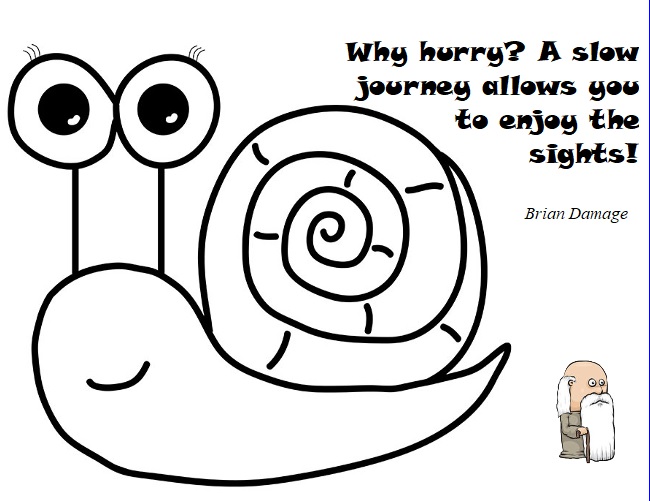
“Why hurry? A slow journey allows you to enjoy the sights“ Brian Damage Brian Damage Early Life: Brian Damage (born July 12, 1955) is a British travel philosopher and author celebrated for his unique perspectives on the art of slow travel. Hailing from a small town in Yorkshire, England, Damage’s early life was infused withContinue reading “Quote of the Day: Taking your time”
Quote of the Day: Truth

Stretch your neck to see the truth, but never stretch the truth to suit your view Helmutt Churchill Helmutt Churchill’s Early Life: Helmutt Churchill (born September 8, 1940) was a German-born philosopher and author known for his profound insights into truth, perception, and the human experience. Born in Leipzig, Germany, Churchill spent his formative yearsContinue reading “Quote of the Day: Truth”
A measure for pleasure?

Can pleasure be measured in terms of quantity as well as quality? What’s more pleasurable to a ten-year-old – a kitten, a teddy bear, or a bar of chocolate? Can we turn a subjective concept like pleasure into an objective measure or comparison? A man called “Jeremy” thought so. Jeremy Bentham (1748–1832) was an EnglishContinue reading “A measure for pleasure?”
Is religion always synonymous with belief in the supernatural?

Did Comte’s religion of “Positivism” break this link? Before discussing the thoughts of Auguste Comte (1798–1857), it is useful to define the terms “religion” and “supernatural” and then consider the philosopher’s approach within these boundaries. The Oxford English Dictionary defines religion as ‘Action or conduct indicating belief in, obedience to, and reverence for a god,Continue reading “Is religion always synonymous with belief in the supernatural?”
Remembering and forgetting in Ireland.

Where does tradition meet collective memory? In considering this question it is important to clarify the terms “tradition” and “collective memory”. The Oxford English Dictionary defines tradition as ‘A belief, statement, custom, etc., handed down by non-written means (esp. word of mouth, or practice) from generation to generation; such beliefs, etc., considered collectively.’ The keyContinue reading “Remembering and forgetting in Ireland.”
How did Sartre and Beauvoir explain the philosophy of existentialism?

Did Simone de Beauvoir improve on Sartre’s views? Jean Paul Sartre (1905-1980) was the leading light in the philosophy of existence known as existentialism and an award-winning author. Together with Simone de Beauvoir (1908—1986) – herself a preeminent French existentialist philosopher and writer – he would hang out in Parisian Cafes in the 1940s withContinue reading “How did Sartre and Beauvoir explain the philosophy of existentialism?”
What was Marx’s problem with capitalism?

Is greater state control of the economy the solutuon to a post Covid recession? Karl Marx (1818 – 1883) is best know as the father of Marxism. He was a philosopher, author, and economist and is renowned for his manifestos on capitalism and communism. In describing Marx’s objections to capitalism it is necessary to defineContinue reading “What was Marx’s problem with capitalism?”

