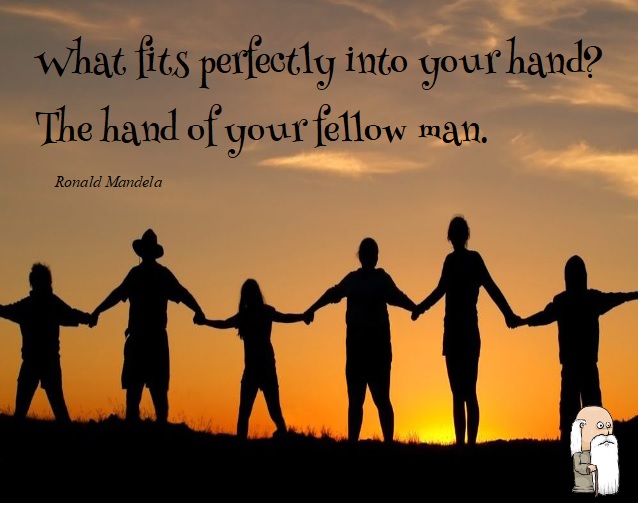
“What fits perfectly into your hand? The hand of your fellow man.” Ronald Mandela Ronald Mandela: Advocate of Human Connection and Unity Ronald Mandela, born on July 18, 1942, is a visionary figure known for his profound insights into the importance of human connection and unity. Hailing from a diverse background, Mandela has dedicated hisContinue reading “Quote of the Day: Holding Hands”
Author Archives: The Sage Page
Quote of the Day: Child’s Play

“When we all work together it’s child’s play.” Dalai Stalin Dalai Stalin: Uniting Wisdom and Unity Dalai Stalin, born Ilyich Lhamo on July 6, 1937, is a unique figure in the realm of political philosophy and collaborative leadership. Combining the spiritual insights of the Dalai Lama with the strategic acumen of Joseph Stalin, Dalai StalinContinue reading “Quote of the Day: Child’s Play”
Thought of the Day: Drawing Boards
Before they invented drawing boards, what did they go back to? The phrase “back to the drawing board” is an idiom that originated in the mid-20th century and is often used to convey the need to start over or rethink a plan that has failed. The saying is metaphorical and does not refer to anContinue reading “Thought of the Day: Drawing Boards”
This Day in History: January 14th
Here are 10 historical events that took place on January 14th, listed in chronological order: These events span a variety of historical periods and reflect diverse aspects of political, cultural, and scientific history. Thank you for reading my writings. If you’d like to, you can buy me a coffee for just £1 and I willContinue reading “This Day in History: January 14th”
Quote of the Day: Purpose

“No matter how deep the water, never lose sight of the land.” Noah Clooney Noah Clooney: Maritime Philosopher and Visionary Navigator Noah Clooney (born August 7, 1955) is a distinguished maritime philosopher and visionary navigator known for his profound insights into the human experience concerning the vastness of the sea. Born in a coastal townContinue reading “Quote of the Day: Purpose”
This Day in History: January 13th
Here are 10 historical events that took place on January 13th, listed in chronological order: These events span a range of historical periods and reflect various aspects of political, social, and natural history. Thank you for reading my writings. If you’d like to, you can buy me a coffee for just £1 and I willContinue reading “This Day in History: January 13th”
Sports & Games Jokes

I threw a boomerang five years ago and it never came back. Now I live in constant fear. I’m just back from competing in the ‘Sun Tanning World Championship’. I got bronze. My wife asked, “Do you know any tennis puns?” I said, “No, they’re not really my forte love”. Just moved to a reallyContinue reading “Sports & Games Jokes”
Quote of the Day: Health

“Deal with the things that bug you or else you will catch a cold” Lewis Pasta Lewis Pasta: A Culinary Philosopher and Proponent of Personal Wellness Lewis Pasta (born January 25, 1950) is a renowned culinary philosopher and wellness advocate known for his unique perspectives on life and health. Born in Naples, Italy, Pasta’s earlyContinue reading “Quote of the Day: Health”
This Day in History: January 11th
Here are 10 historical events that took place on January 11th, listed in chronological order: Thank you for reading my writings. If you’d like to, you can buy me a coffee for just £1 and I will think of you while writing my next post! Just hit the link below…. (thanks in advance)
Thought of the Day: Grapefruit

Why does a grapefruit look nothing like a grape? The name “grapefruit” can be a bit misleading because a grapefruit looks nothing like a grape. The name actually originated from the way the fruit grows in clusters on the tree, similar to grapes. However, the similarity ends there. Grapes are small, round berries that growContinue reading “Thought of the Day: Grapefruit”
 The Sage Page