Here are 10 historical events that took place on January 24th, listed in chronological order: These events span a wide range of historical periods and include significant moments in politics, exploration, technology, and sports. Thank you for reading my writings. If you’d like to, you can buy me a coffee for just £1 and IContinue reading “This Day in History: January 24th”
Author Archives: The Sage Page
Alcohol & Drugs Jokes

Welcome to our alcohol and drugs jokes page, where we approach a sometimes sensitive topic with humor and a touch of irreverence. While the use and abuse of alcohol and drugs can have serious consequences, we believe that laughter can serve as a way to navigate and discuss these issues in a light-hearted manner. Our collection of jokes aims to provide a moment of levity and perspective, acknowledging the complexities and challenges surrounding substance use while also recognizing the human propensity for finding humor in even the most serious of subjects. Whether you’re in recovery, supporting a loved one, or simply looking for a break from the seriousness of life, we invite you to explore our selection of jokes with an open mind and a sense of humor. So pour yourself a drink, roll up your sleeves, and get ready to share a laugh as we delve into the lighter side of alcohol and drugs!
Thought of the Day: Showering

If you get out of the shower clean, how does your towel get dirty? When you use a towel after showering, it serves not only to dry your body but also to absorb residual moisture, skin cells, and oils that might remain on your skin even after washing. Additionally, the towel can pick up anyContinue reading “Thought of the Day: Showering”
This Day in History: January 23rd
Here are 10 historical events that took place on January 23rd, listed in chronological order: These events span various centuries and cover political, cultural, and social milestones. Thank you for reading my writings. If you’d like to, you can buy me a coffee for just £1 and I will think of you while writing myContinue reading “This Day in History: January 23rd”
Quote of the Day: Family values
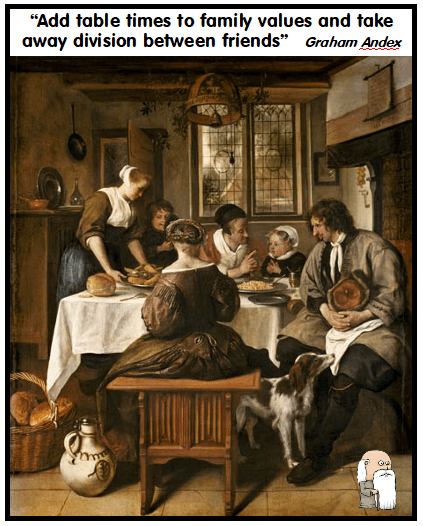
“Add table times to family values and take away division between friends” Graham Andex Graham Andex: Visionary Social Reformer and Advocate of Unity through Mathematics Graham Andex, born on March 4, 1820, was a distinguished 19th-century social reformer and mathematician known for his unconventional approach to fostering unity within communities. Hailing from a small townContinue reading “Quote of the Day: Family values”
Quote of the Day: Wisdom
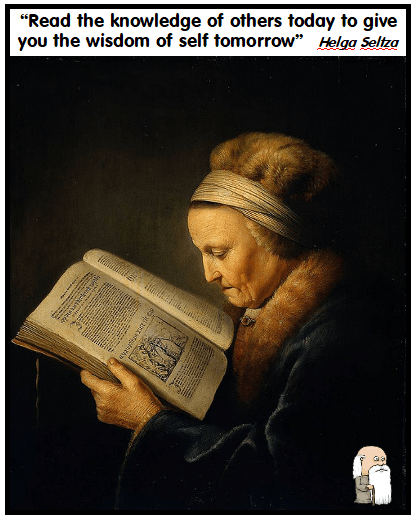
“Read the knowledge of others today to give you the wisdom of self tomorrow” Helga Seltza Helga Seltza: Literary Scholar and Advocate of Self-Enlightenment Helga Seltza, born on January 12, 1963, is a distinguished literary figure recognized for her insightful contributions to the world of literature and knowledge dissemination. Raised in a culturally rich environment,Continue reading “Quote of the Day: Wisdom”
Sex & Sexuality Jokes

I’ve asked so many people what LGBTQ stands for. So far no one has given me a straight answer. What do you call it when you’re attracted to both men and women but neither are attracted to you? Bi-yourself. Science reveals that women have cleaner minds than men… Since they change them every 10 secondsContinue reading “Sex & Sexuality Jokes”
This Day in History: January 22nd
Here are 10 historical events that took place on January 22nd, listed in chronological order: These events span various centuries and cover political, historical, and cultural milestones. Thank you for reading my writings. If you’d like to, you can buy me a coffee for just £1 and I will think of you while writing myContinue reading “This Day in History: January 22nd”
Quote of the Day: Concentration
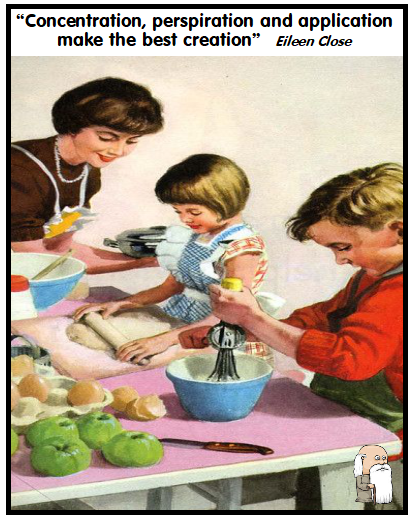
“Concentration, perspiration, and application make the best creation” Eileen Close Eileen Close: Creative Visionary and Advocate of Diligent Effort Eileen Close, born on March 15, 1970, is a highly regarded figure celebrated for her insightful contributions to the world of creative endeavors. Raised in a vibrant artistic community, Close’s journey has been marked by aContinue reading “Quote of the Day: Concentration”
This Day in History: January 20th
Here are 10 historical events that took place on January 20th, listed in chronological order: These events span various centuries and cover political, historical, and cultural milestones. Thank you for reading my writings. If you’d like to, you can buy me a coffee for just £1 and I will think of you while writing myContinue reading “This Day in History: January 20th”
 The Sage Page