This Day in History: February 11th

Here are 10 historical events that took place on February 11th, listed in chronological order:

  1. 660 BC: Traditional founding date of Japan by Emperor Jimmu.
  2. 1808: Anthracite coal is first burned as a fuel, in an experiment in Wilkes-Barre, Pennsylvania. Fell successfully burned anthracite coal in a grate in his home.
  3. 1858: Bernadette Soubirous’s first vision of the Virgin Mary in Lourdes, France.
  4. 1929: Italy and Vatican City sign the Lateran Treaty, recognizing Vatican City as an independent state under the sovereignty of the Holy See.
  5. 1938: BBC Television produces the world’s first science fiction television program, an adaptation of a section of the Karel Čapek play “R.U.R.”, that coined the term “robot”.
  6. 1979: The Iranian Revolution establishes an Islamic theocracy under the leadership of Ayatollah Ruhollah Khomeini.
  7. 1990: Nelson Mandela is released from Victor Verster Prison outside Cape Town, South Africa, after 27 years as a political prisoner.
  8. 2006: Vice President Dick Cheney accidentally shoots Harry Whittington in the face, neck, and chest during a hunting trip in Texas.
  9. 2011: The Arab Spring begins with a series of protests across the Middle East and North Africa.
  10. 2012: Whitney Houston, American singer, and actress, dies at the age of 48.

Thank you for reading my writings. If you’d like to, you can buy me a coffee for just £1 and I will think of you while writing my next post! Just hit the link below…. (thanks in advance)

Quote of the Day: Happiness

“When you feel happy – act happy!”

Heidi Claire

Heidi Claire (born March 22, 1978, in Copenhagen, Denmark) is a contemporary author, motivational speaker, and advocate for positive living. Known for her uplifting philosophy and inspirational writings, Claire has become a prominent figure in the field of personal development.

Early Life and Education:

Heidi Claire was born to Lars and Ingrid Hansen, both renowned psychologists with a focus on positive psychology. Growing up in a household that valued the importance of fostering happiness and well-being, Claire developed an early interest in the power of positive thinking. She pursued her higher education at the University of Copenhagen, where she obtained a degree in Psychology with a specialization in Positive Psychology.

Literary Career:

Heidi Claire’s literary journey began with her debut book, “The Joy Equation,” published in 2005. The book, inspired by her studies in positive psychology, explored practical ways to cultivate happiness and well-being in everyday life. Claire’s subsequent works, including “Radiant Living” (2010) and “The Happy Mindset” (2015), further solidified her reputation as an author promoting positive living.

Philosophical Contributions:

Claire’s unique approach to positive living centers around the idea that one can actively influence their emotional state by adopting a mindset aligned with joy and happiness. Her philosophy emphasizes the power of actions in shaping emotions, challenging the traditional notion that emotions solely dictate behavior.

The Quote:

Heidi Claire’s well-known quote, “When you feel happy – act happy!” encapsulates her philosophy on the reciprocal relationship between emotions and actions. The quote emerged during a seminar on positive living where Claire encouraged attendees to actively express their positive emotions through behaviors and actions. The idea is rooted in the concept that engaging in activities associated with happiness can, in turn, enhance and prolong positive emotions.

Explaining the Quote:

Heidi Claire’s quote promotes the notion that individuals have agency in shaping their emotional experiences. By encouraging people to act in ways that align with happiness, Claire emphasizes the potential for positive actions to reinforce and amplify positive emotions. The quote serves as a reminder that expressing joy through actions, whether through smiling, engaging in uplifting activities, or spreading kindness, can contribute to a more positive and fulfilling life.

Claire’s philosophy has resonated with a wide audience seeking practical and actionable steps toward a happier life. Her positive living principles continue to inspire individuals to embrace joy and actively participate in creating a more uplifting and harmonious world.

Thank you for reading my writings. If you’d like to, you can buy me a coffee for just £1 and I will think of you while writing my next post! Just hit the link below…. (thanks in advance)

Quote of the Day: Doors

“In life, there is more than one door, seek your portal away from the crowd.”

Sheila Blige

Sheila Blige (born September 23, 1972, in New Orleans, Louisiana) is a distinguished author, philosopher, and advocate for individual empowerment. Known for her insightful writings and philosophical perspectives, Blige has made a significant impact on the discourse surrounding personal growth and self-discovery.

Early Life and Education:

Growing up in the vibrant city of New Orleans, Sheila Blige was exposed to a rich cultural tapestry that would later influence her philosophical outlook on life. Born to Gerald and Lorraine Blige, both community activists, Sheila was instilled with a sense of compassion and a drive to explore the depths of human potential. She pursued her academic endeavors at Yale University, where she earned a degree in Comparative Literature.

Literary Career:

Sheila Blige entered the literary scene with her debut book, “Thresholds of Possibility,” published in 1998. This work marked the beginning of her exploration into the realms of existential philosophy and personal development. Blige’s subsequent writings, including “Beyond Boundaries” (2003) and “The Infinite Within” (2010), received widespread acclaim for their profound insights into the human experience.

Philosophical Contributions:

In addition to her literary accomplishments, Sheila Blige has become known for her philosophical contributions to the field of individual empowerment. Blending Eastern and Western philosophical traditions, her essays, such as “The Alchemy of Choice” (2006) and “Paths Unseen” (2015), delve into the transformative power of personal agency and the myriad possibilities that lie within the individual.

The Quote:

During an interview with a prominent philosophy magazine in 2019, Sheila Blige shared her thought-provoking quote, “In life, there is more than one door, seek your portal away from the crowd.” This insightful aphorism encapsulates Blige’s philosophy on the importance of individual exploration and the quest for unique paths in life.

Explaining the Quote:

Sheila Blige’s quote encourages individuals to embrace their individuality and seek their own distinct paths, emphasizing the idea that there are multiple opportunities for personal growth and fulfillment. By urging people to “seek their portal away from the crowd,” Blige underscores the importance of self-discovery and the pursuit of one’s passions, even if they deviate from societal norms.

The positive connotations of the quote lie in its empowering message, inspiring individuals to break away from conformity and chart their own course in life. Sheila Blige’s philosophy encourages people to recognize the multitude of doors open to them, inviting them to explore and discover the unique portals that lead to personal fulfillment and authentic happiness.

Thank you for reading my writings. If you’d like to, you can buy me a coffee for just £1 and I will think of you while writing my next post! Just hit the link below…. (thanks in advance)
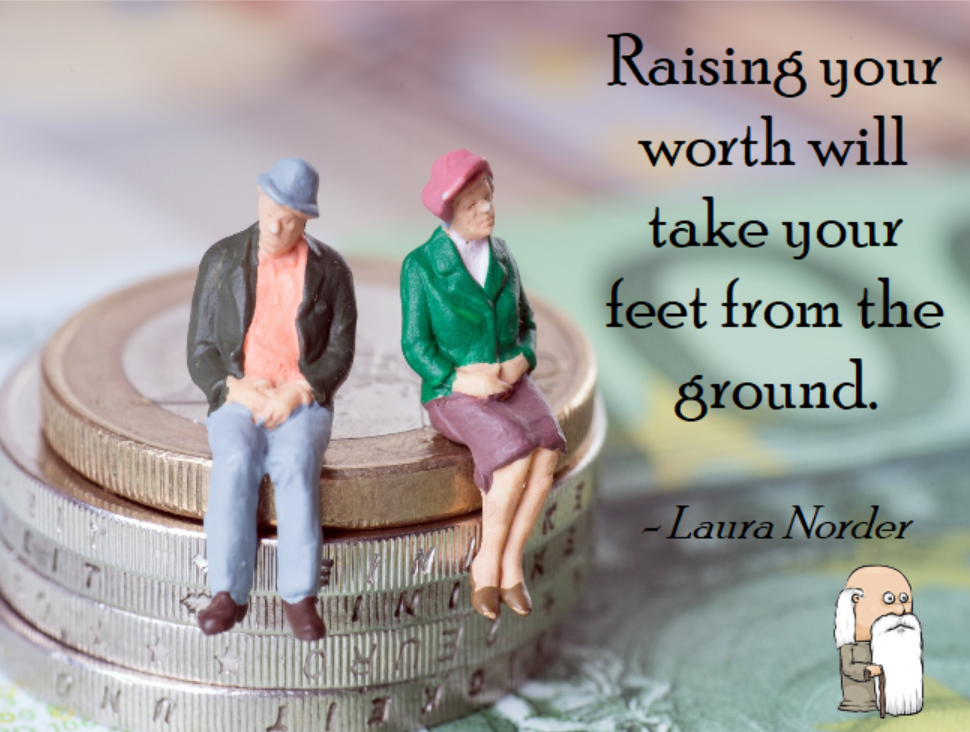
Thought of the Day: Sponges

How does a sponge hold water when it’s full of holes?

The seemingly paradoxical nature of a sponge holding water despite being full of holes can be explained by the structure and properties of the sponge material. Sponges are typically made of a porous and absorbent substance, such as cellulose or other synthetic materials.

The “holes” in a sponge are actually open spaces between the fibers or particles that make up its structure. When a sponge is dry, these empty spaces are available to absorb water. When the sponge comes into contact with water, the liquid is drawn into these open spaces through capillary action, which is the ability of a liquid to flow in narrow spaces without the assistance of external forces like gravity.

As the sponge absorbs water, the liquid is held within the open spaces between the sponge’s fibers or particles. The water is retained by capillary forces and the cohesive forces between water molecules. The sponge essentially traps the water within its structure, and this retained water can be released when pressure is applied, such as when the sponge is squeezed.

So, the key lies in the microscopic structure of the sponge, with its interconnected open spaces, allowing it to absorb and hold water despite appearing to be “full of holes.”

Thank you for reading my writings. If you’d like to, you can buy me a coffee for just £1 and I will think of you while writing my next post! Just hit the link below…. (thanks in advance)

This Day in History: February 9th

Here are 10 historical events that took place on February 9th, listed in chronological order:

  1. 1775: The British Parliament declares Massachusetts to be in rebellion.
  2. 1825: The U.S. House of Representatives elects John Quincy Adams as the sixth President of the United States, as no candidate received a majority of electoral votes in the 1824 presidential election.
  3. 1861: The Provisional Congress of the Confederate States of America convenes in Montgomery, Alabama.
  4. 1870: The U.S. Army establishes the U.S. National Weather Service.
  5. 1942: Daylight saving time (DST) is reinstated in the United States as a wartime measure to conserve energy.
  6. 1964: The Beatles make their first appearance on “The Ed Sullivan Show,” drawing an estimated 73 million viewers.
  7. 1971: The “Satchel Paige Day” ceremony is held at the St. Louis Blues’ hockey game as Paige is named to the St. Louis Hall of Fame.
  8. 1996: The Provisional Irish Republican Army (IRA) declares the end of its 18-month ceasefire in Northern Ireland.
  9. 2013: A meteor explodes over the Russian city of Chelyabinsk, injuring around 1,500 people.
  10. 2018: South Korean President Moon Jae-in meets with Kim Yo-jong, the sister of North Korean leader Kim Jong-un, during the Winter Olympics in Pyeongchang, marking the first time a member of the ruling Kim family visits South Korea.

Thank you for reading my writings. If you’d like to, you can buy me a coffee for just £1 and I will think of you while writing my next post! Just hit the link below…. (thanks in advance)
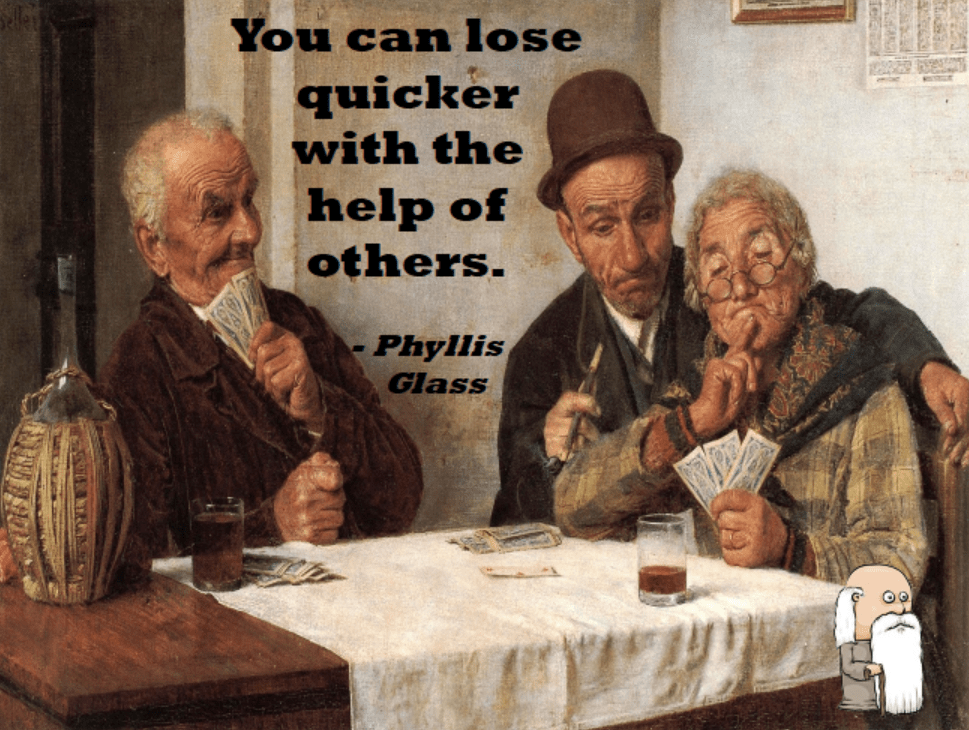
Quote of the Day: Pollution

“Walk on the green grass of today, not on the rainbow wasteland of tomorrow”

Helen Back

Helen Back (born March 10, 1960, in Charleston, South Carolina) is a highly regarded contemporary poet and philosopher, known for her profound insights into the human experience. Born to Patricia and William Back, both educators with a passion for literature, Helen was immersed in a world of words and ideas from an early age. Her journey into the realms of poetry and philosophy has been marked by a unique ability to capture the complexities of life with eloquence and depth.

Early Life and Education:

Growing up in the intellectual ambiance of Charleston, Helen Back’s fascination with language and its ability to convey the intricacies of human emotions began to blossom. She pursued her academic endeavors at Harvard University, where she obtained a degree in Philosophy and Literature. Inspired by her professors and the rich literary traditions of the university, Back developed a distinctive voice that would later define her poetic expressions.

Literary Career:

Helen Back emerged onto the literary scene with her debut collection of poems, “Echoes of the Present,” published in 1985. This collection received acclaim for its evocative verses that explored the intersection of time, perception, and human consciousness. Back’s subsequent works, including “Temporal Tapestry” (1990) and “Contours of Eternity” (1995), further solidified her reputation as a poet with a unique ability to navigate the complexities of existence.

Philosophical Exploration:

Beyond her contributions to poetry, Helen Back delved into philosophy, offering profound reflections on the nature of reality and the human experience. Her philosophical essays, such as “Journey through the Now” (2002) and “Moments of Being” (2008), demonstrated her intellectual versatility and deep understanding of existential questions.

The Quote:

In an interview with a literary magazine in 2017, Helen Back introduced the world to her now-famous quote, “Walk on the green grass of today, not on the rainbow wasteland of tomorrow.” The quote encapsulates Back’s philosophy on the importance of living in the present moment and appreciating the tangible aspects of life, rather than getting lost in unattainable fantasies.

Explaining the Quote:

Helen Back’s quote encourages individuals to focus on the beauty and opportunities available in the present rather than becoming preoccupied with uncertain future possibilities. By urging people to “walk on the green grass of today,” she emphasizes the significance of mindfulness, embracing the richness of the current moment, and finding joy in the simple pleasures of life.

This insightful perspective resonated with readers, fostering a renewed appreciation for the present and prompting discussions on the importance of mindfulness in navigating the complexities of contemporary existence. Helen Back’s quote has since become a guiding mantra for those seeking balance and fulfillment in their lives, reinforcing her status as a philosopher-poet whose wisdom continues to inspire generations.

Thank you for reading my writings. If you’d like to, you can buy me a coffee for just £1 and I will think of you while writing my next post! Just hit the link below…. (thanks in advance)
Thought of the Day: Buildings

Why is it called a building when it’s already built?


The term “building” has an interesting linguistic history. The word “building” is derived from the Old English word “byldan,” which means “to build.” Over time, the term evolved to refer not only to the process of construction but also to the completed structure itself.

Language often retains words that reflect the action or process involved in creating something, even after the action is complete. In this case, “building” may be seen as a noun describing a structure that has been built, even though the original root of the word relates to the action of building.

This linguistic convention is not unique to English, as many languages have similar instances where the noun form of a word retains a connection to the action or process that led to its creation. It adds a layer of historical context to language, reminding speakers of the origin and purpose of the structures they encounter in their daily lives.

Thank you for reading my writings. If you’d like to, you can buy me a coffee for just £1 and I will think of you while writing my next post! Just hit the link below…. (thanks in advance)
Quote of the Day: Resting

“Stop for a rest and log off for a while”

Chris Peacock

Chris Peacock (born January 15, 1975, in Oxford, England) is a renowned contemporary philosopher, author, and digital wellness advocate. Hailing from a background in literature and technology, Peacock has dedicated his career to exploring the intersection of the digital age and human well-being. His thought-provoking works have gained him recognition as a leading voice in the discussion surrounding the impact of technology on modern life.

Early Life and Education:

Chris Peacock was born to Margaret and Edward Peacock, both professors of literature at the University of Oxford. Growing up in an environment enriched with scholarly discussions, Peacock developed an early interest in the intersection of philosophy and technology. He pursued his higher education at Oxford University, where he obtained a degree in Philosophy and Literature.

Literary Career:

Peacock’s literary journey began with his debut novel, “Echoes of Reality,” published in 2001. The novel, which delved into the psychological effects of technology on human perception, garnered critical acclaim and set the stage for Peacock’s subsequent explorations in the realm of digital philosophy.

In the years that followed, Chris Peacock published a series of influential essays and books, including “Digital Dilemma: Navigating the Technological Terrain” (2007) and “Mindful Bytes: Finding Balance in the Digital Age” (2013). These works established Peacock as a thought leader addressing the challenges posed by the rapid evolution of technology and its impact on human behavior.

Digital Wellness Advocacy:

As the proliferation of digital devices continued to shape society, Chris Peacock transitioned into an advocate for digital wellness. His tireless efforts to raise awareness about the importance of mindful technology use led him to establish the Digital Wellness Foundation in 2018, a non-profit organization dedicated to promoting healthy relationships with technology.

The Quote:

In 2020, during an interview with a leading tech magazine, Chris Peacock coined the now-famous phrase, “Stop for a rest and log off for a while.” This succinct and powerful statement encapsulates Peacock’s philosophy on the need for individuals to take breaks from the constant stream of digital information and prioritize their mental well-being.

Peacock’s quote encourages individuals to pause, reflect, and disconnect from the digital world periodically, fostering a healthier relationship with technology. The concept has resonated with a global audience, prompting discussions on the importance of digital detox and self-care in the age of information overload.

Legacy:

Chris Peacock continues to contribute to the fields of philosophy, literature, and digital wellness. His holistic approach to understanding the impact of technology on humanity has left an indelible mark on the discourse surrounding the digital age. As a respected author, philosopher, and advocate, Chris Peacock’s work serves as a guiding light for those navigating the complexities of the modern, interconnected world.

Thank you for reading my writings. If you’d like to, you can buy me a coffee for just £1 and I will think of you while writing my next post! Just hit the link below…. (thanks in advance)

This Day in History: February 8th

Here are 10 historical events that took place on February 8th, listed in chronological order:

  1. 1587: Mary, Queen of Scots, is executed.
  2. 1693: The College of William & Mary in Williamsburg, Virginia, is granted a charter by King William III and Queen Mary II.
  3. 1837: Richard Johnson becomes the first Vice President of the United States chosen by the United States Senate.
  4. 1910: The Boy Scouts of America is incorporated.
  5. 1924: The first successful transcontinental airplane flight, from Los Angeles to New York, is completed by Douglas World Cruisers.
  6. 1960: The first eight brass star plaques are installed in the Hollywood Walk of Fame.
  7. 1963: The Kennedy administration prohibits travel to Cuba and bans financial transactions with Cuban entities by U.S. citizens.
  8. 1986: The Hinton train collision in Alberta, Canada, kills 23 people.
  9. 2010: A freak storm in the Netherlands, Germany, and Belgium claims at least 65 lives.
  10. 2016: The Winter Youth Olympics open in Lillehammer, Norway.

Thank you for reading my writings. If you’d like to, you can buy me a coffee for just £1 and I will think of you while writing my next post! Just hit the link below…. (thanks in advance)

Thought of the Day: Scared to death

What happen if you get scared half to death twice?

The phrase “scared half to death twice” is a humorous play on words rather than a literal scenario. It suggests a hypothetical situation where someone is frightened to the point of being “half-dead” and then experiences the same level of fright again, theoretically resulting in being “fully dead.” However, in reality, being scared cannot cause death, and the phrase is meant for amusement rather than as a description of an actual event.

Thank you for reading my writings. If you’d like to, you can buy me a coffee for just £1 and I will think of you while writing my next post! Just hit the link below…. (thanks in advance)