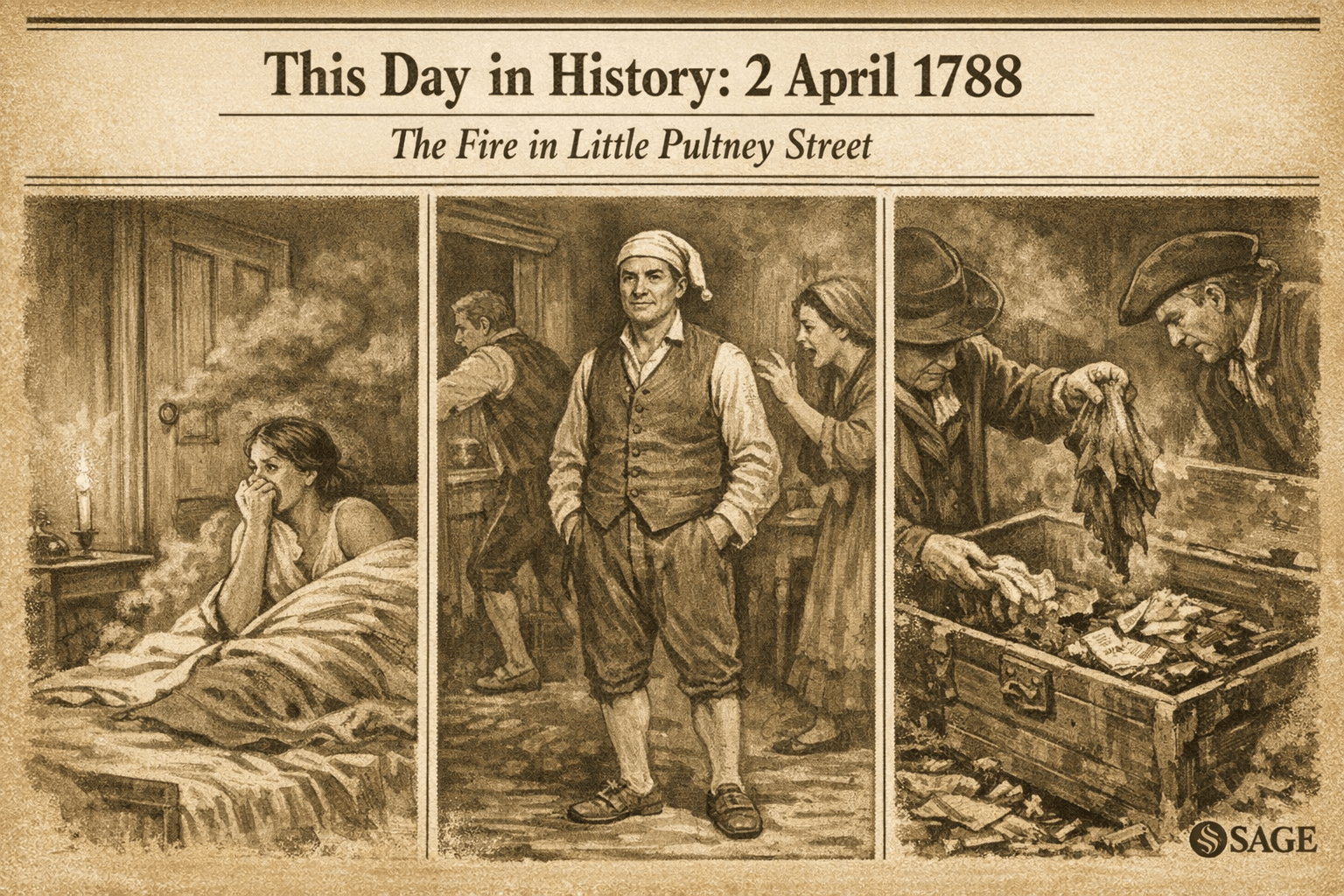
n 1788, tailor David Clary was convicted of deliberately setting fire to his own home in London—triggering a blaze that endangered neighbouring properties. With no direct witnesses, the case relied entirely on circumstantial evidence, revealing one of the earliest and most striking examples of suspected insurance fraud.
Tag Archives: 18th century crime
This Day in History – 26 March 1735
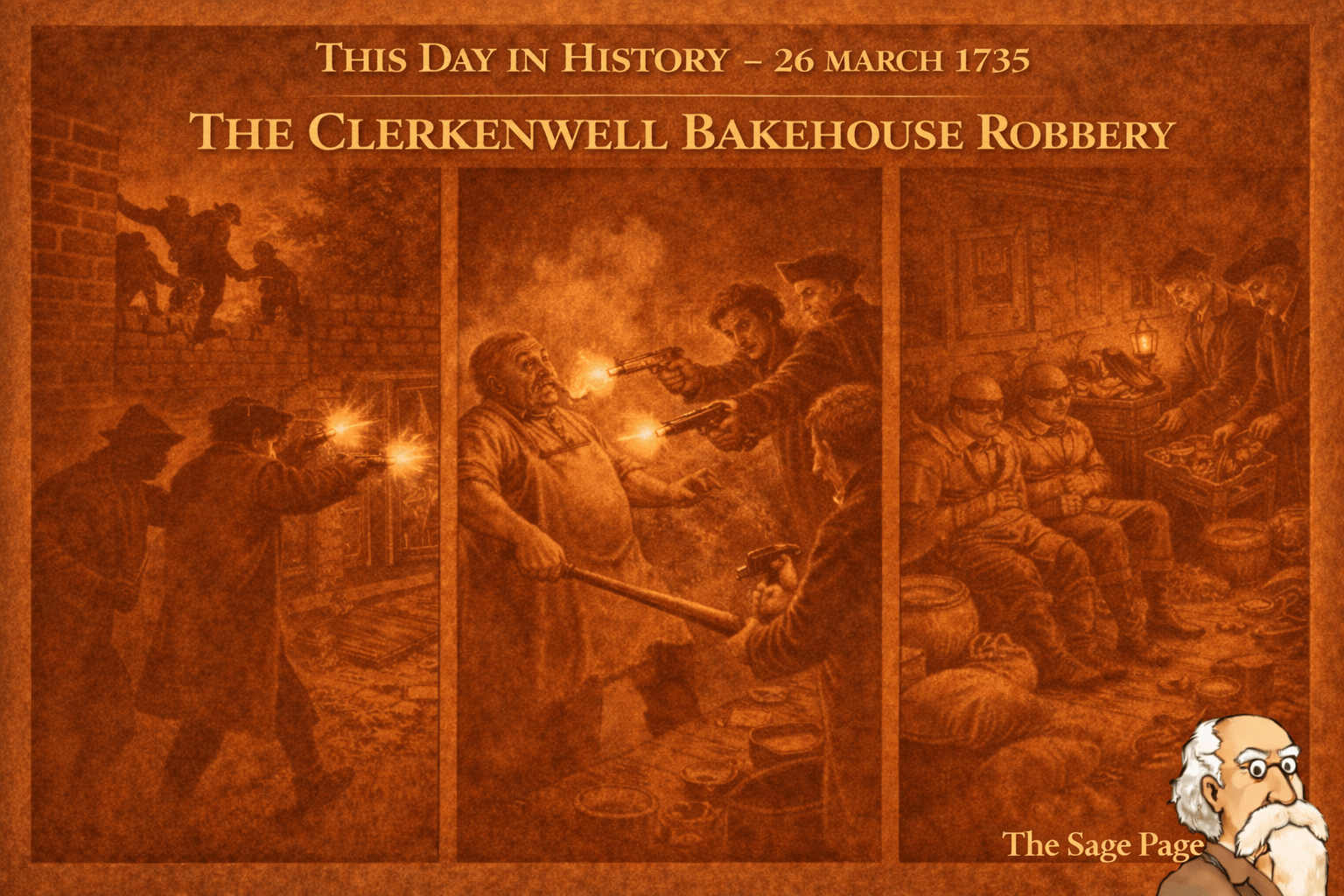
In 1735, George Ward led a violent armed robbery in a Clerkenwell bakehouse, shooting and robbing Thomas Gibson. This Old Bailey case reveals a brutal insider-led burglary, a chilling confession, and the unrepentant final days of a condemned man in Georgian London’s criminal underworld.
This Day in History: 18 February 1775 — John Smith and the Fatal Return
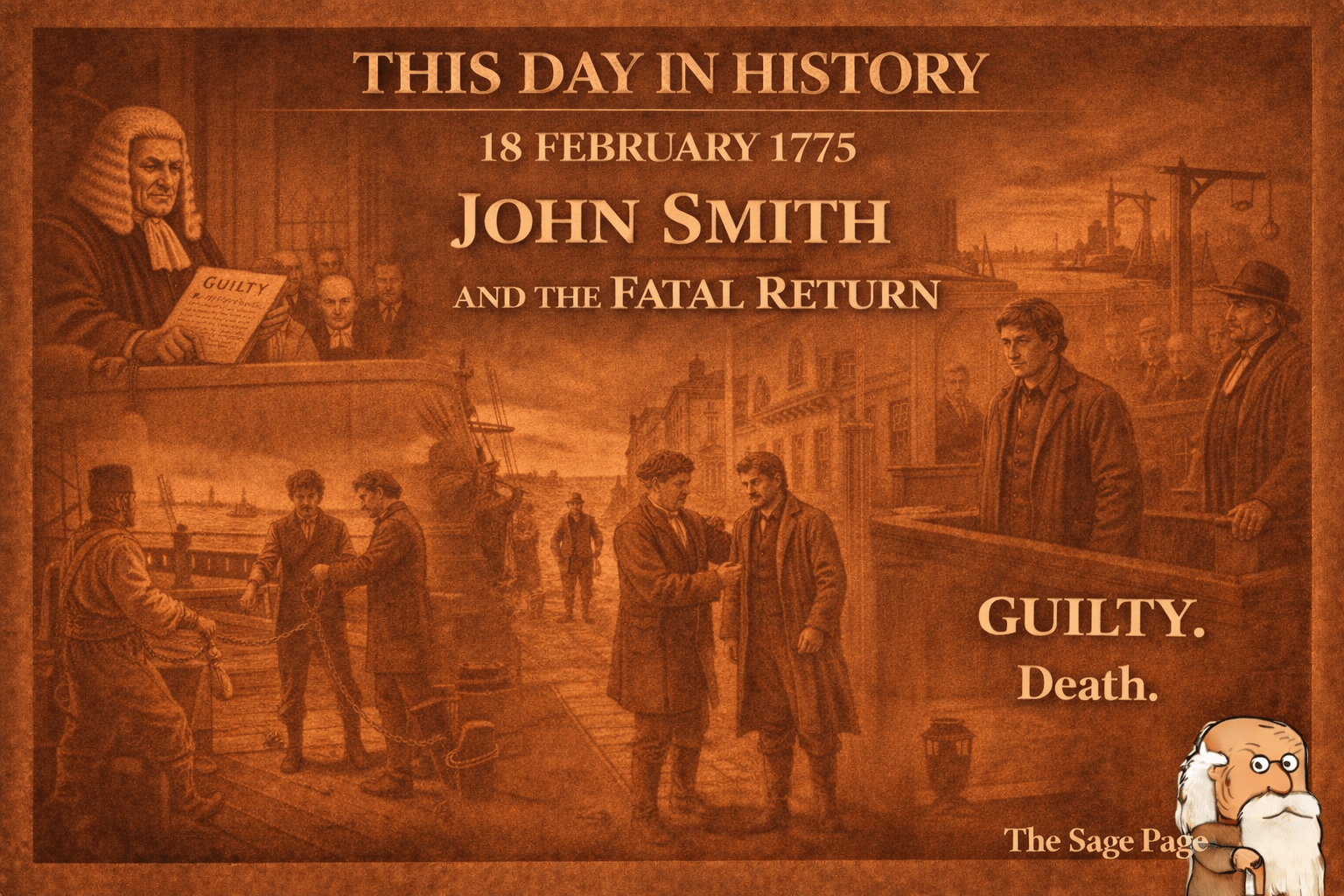
On 18 February 1775, John Smith was tried at the Old Bailey for returning from transportation before his fourteen-year term had expired. Originally sentenced to death for highway robbery and reprieved, he was again condemned to die before being transported once more, on the eve of the American Revolutionary War.
This Day in History: 13 February 1706 — Peter Blake and the Crime of Bigamy
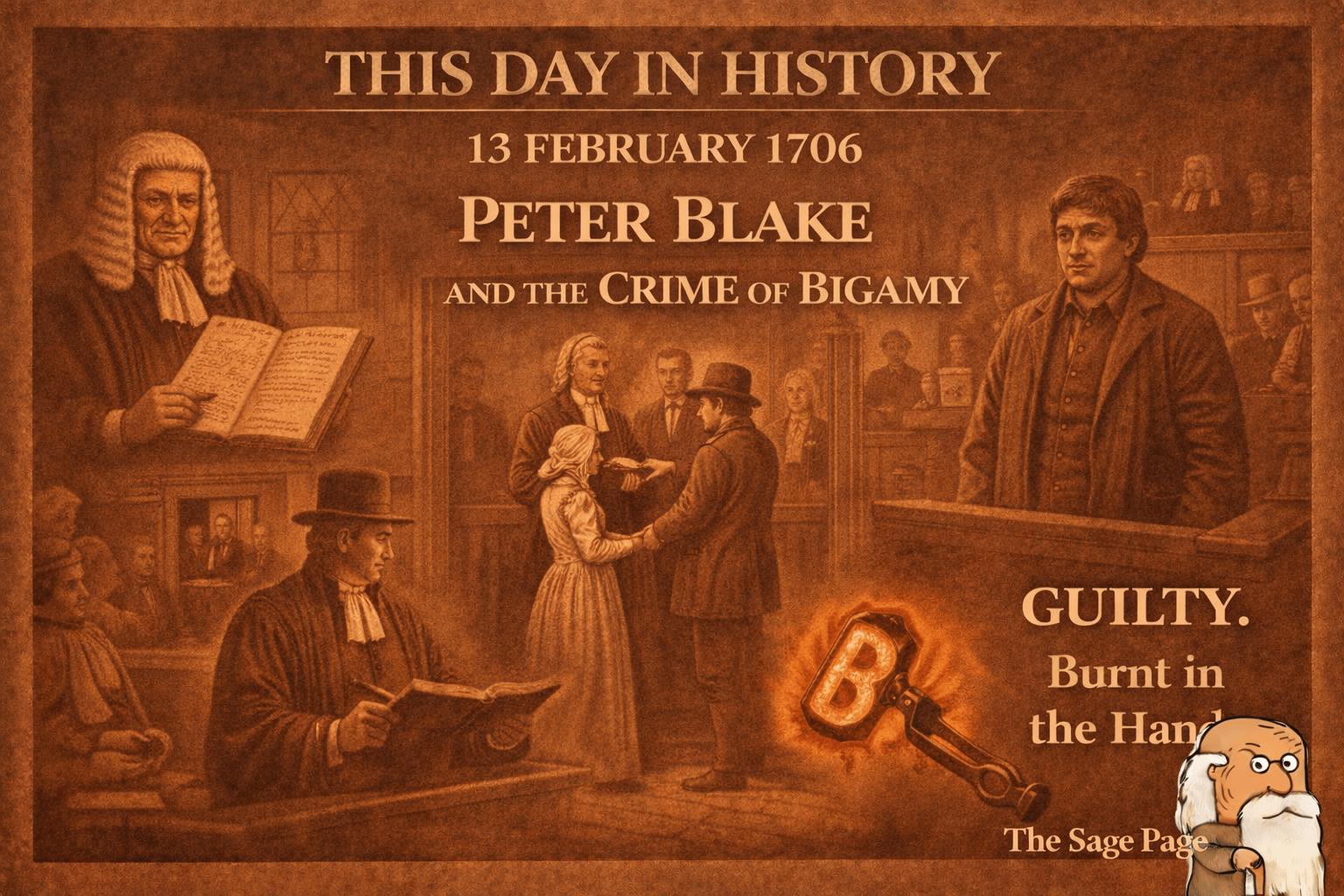
On 13 February 1706, Peter Blake married his first wife in Salisbury. Sixteen years later, he was tried at the Old Bailey for bigamy after marrying again while she was still alive. Found guilty in 1722, he was sentenced to be burnt in the hand, a common branding punishment of the era.
This Day in History: 20 November 1782 — The Watch in the Moonlight

On 20 November 1782, John Reynolds stood trial for stealing a silver watch from a passer-by in London. Caught within minutes and tried at the Old Bailey, he was convicted and sentenced to seven years’ transportation. This retelling explores the danger, drama and consequences of petty theft in Georgian London.
This Day in History: 14 November 1770 — The Silver Tankard Affair
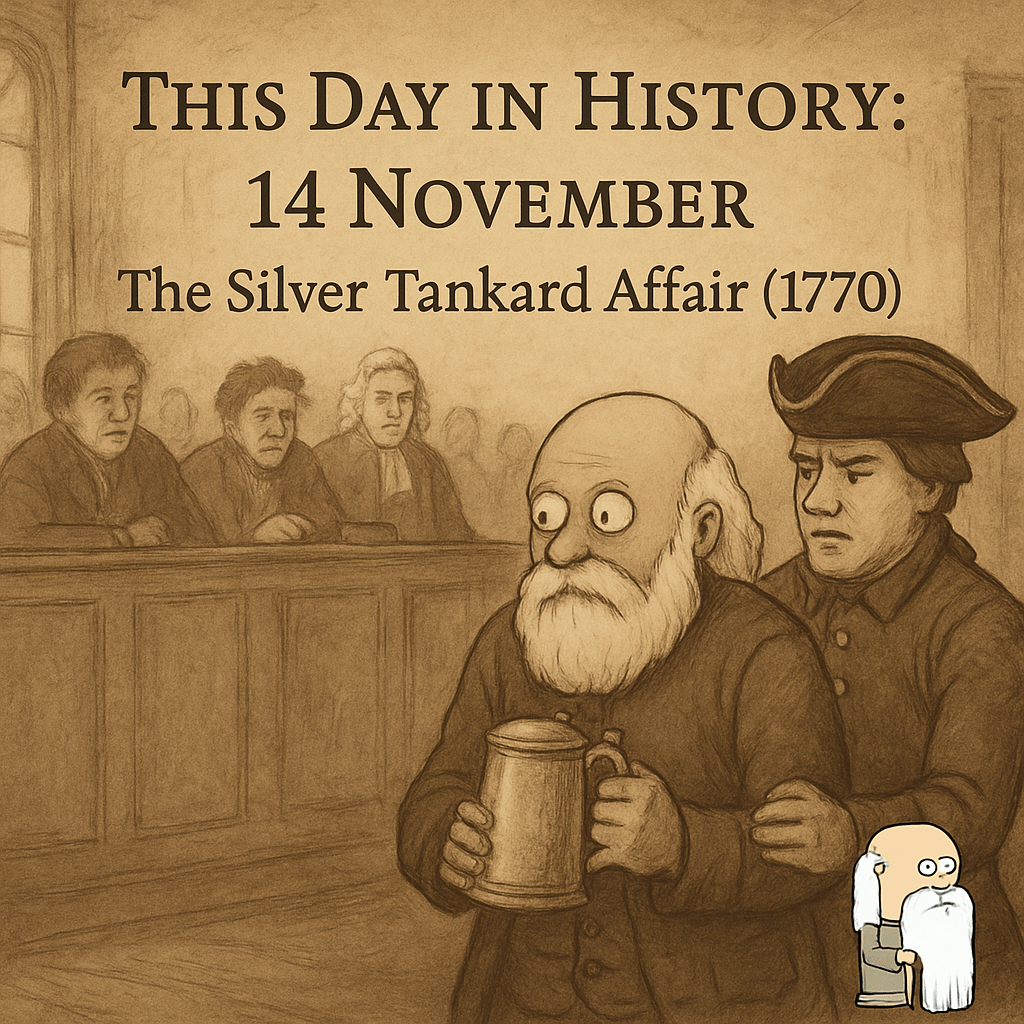
On 14 November 1770, John Buckley was tried at the Old Bailey for stealing a silver tankard from a London public house. Caught with it hidden under his coat, he was convicted and sentenced to seven years’ transportation. This retelling explores tavern culture, theft, and Georgian justice.
This Day in History: 13 November 1784 — The Copper Heist in the Night

On the night of 13 November 1784, James Thomas broke into John Parleyman’s London home and stole eighty pounds of copper in a hempen sack. Tried at the Old Bailey in December, he was convicted and transported for seven years. This retelling shows how one night’s burglary became a journey to Australia.
This Day in History: 11 November 1794 — The Tale of the Pewter Pots
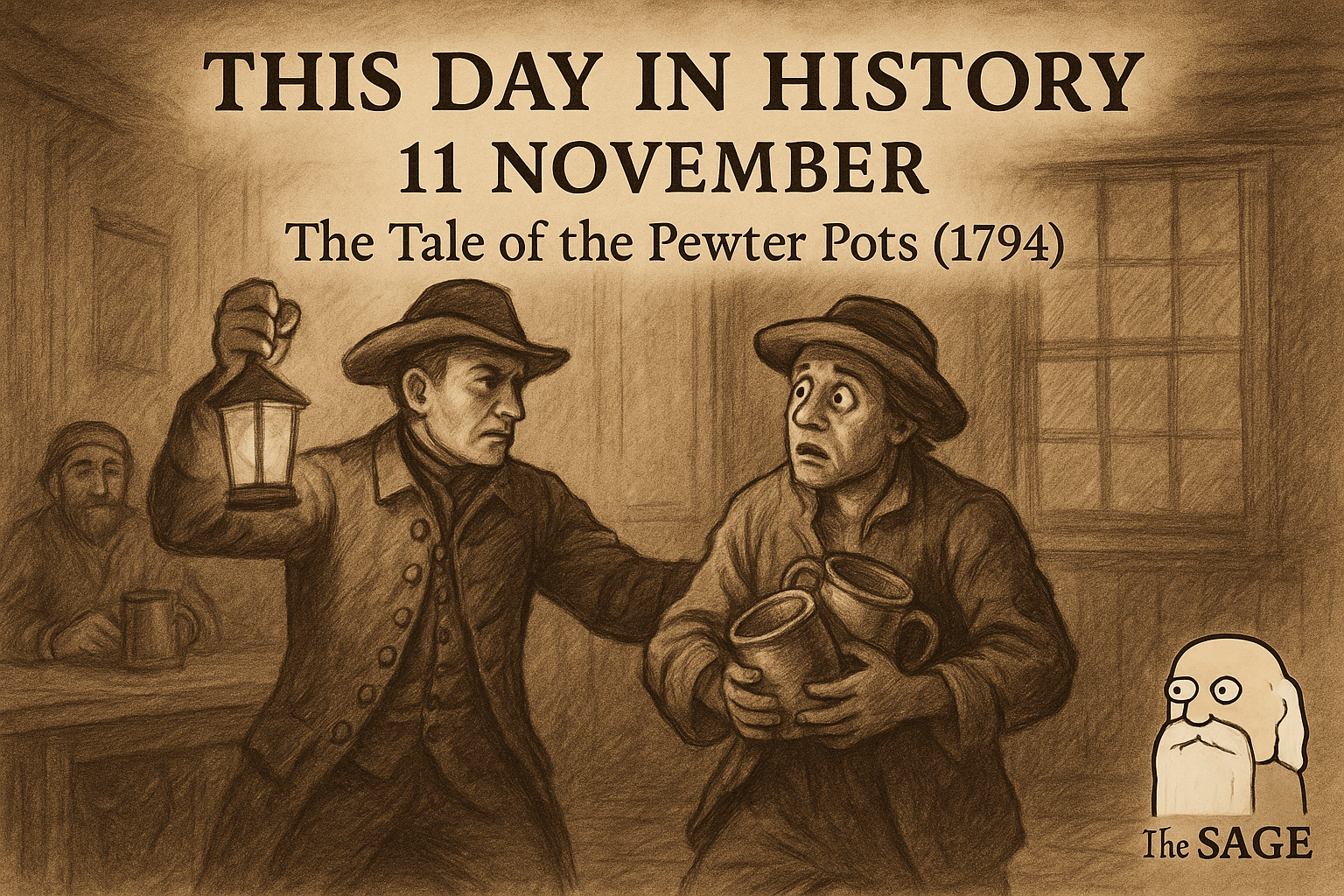
On 11 November 1794, John Webb stood trial at the Old Bailey for stealing pewter pots from a London innkeeper. Convicted and sentenced to seven years’ transportation, his story reveals how small acts of tavern theft could send Georgian Londoners halfway across the world.
This Day in History: 4 November 1734 — The Linen Thief in the Basement

On the night of 4 November 1734, Londoner Joan Wayte hung her linen to dry in a basement room and returned to find it stolen. The Old Bailey later tried Emanuel Pim for “theft; burglary” of her washing. This retelling shows how even humble laundry could become serious Georgian crime.
This Day in History: 28 October 1789 — The Burglar in the Cellar
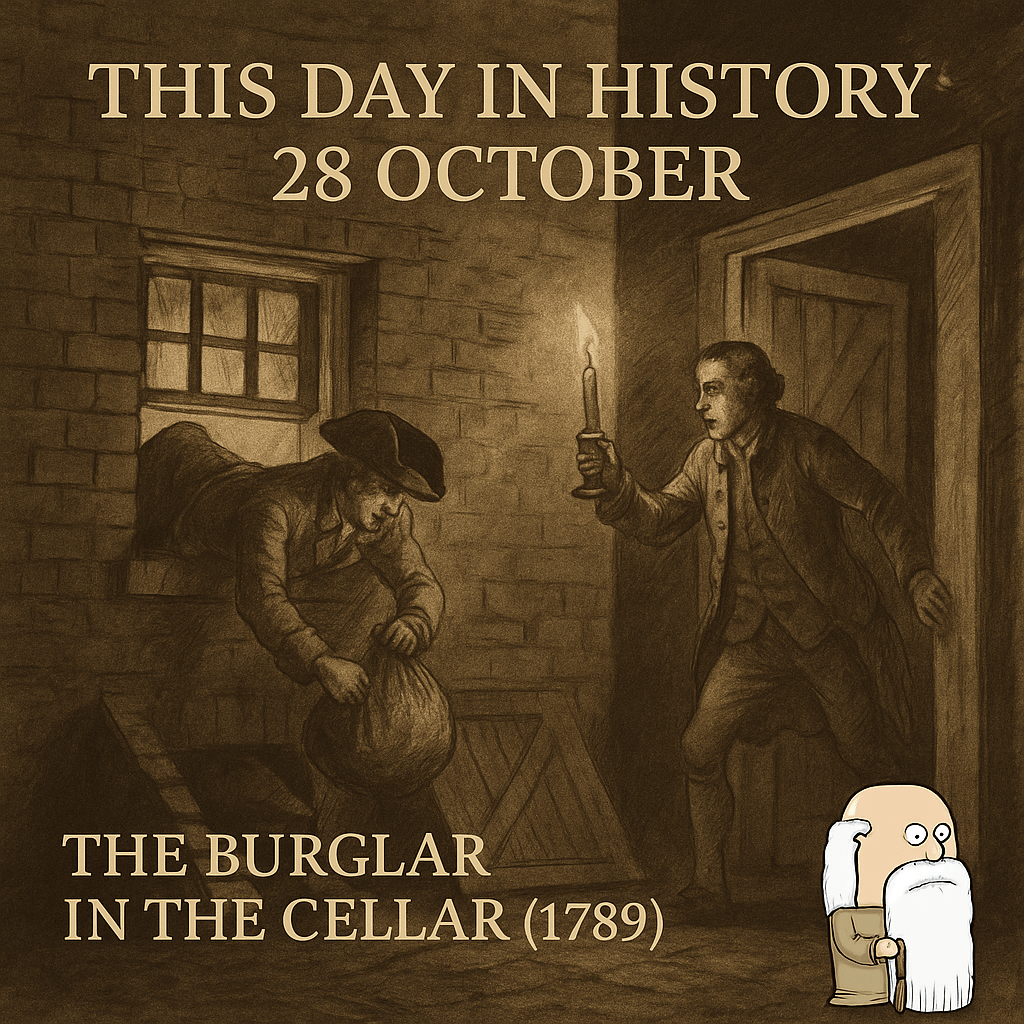
On 28 October 1789, David Braithwaite was caught halfway through a cellar window after breaking into William Webb’s London home. Tried that same day at the Old Bailey, he was found guilty of burglary and sentenced to seven years’ transportation. This vivid tale captures Georgian justice — clumsy, comic, and cruel.
 The Sage Page