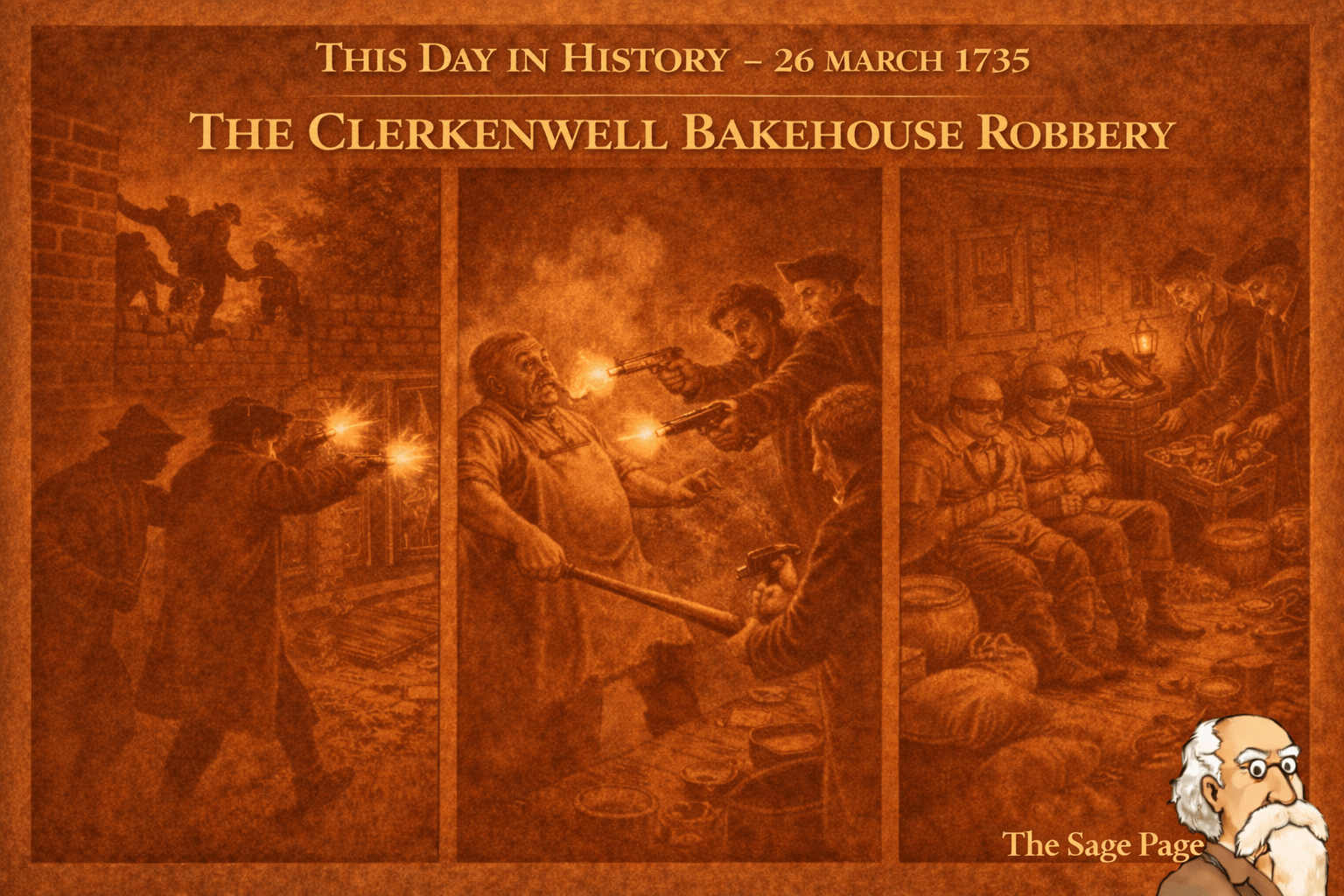
In 1735, George Ward led a violent armed robbery in a Clerkenwell bakehouse, shooting and robbing Thomas Gibson. This Old Bailey case reveals a brutal insider-led burglary, a chilling confession, and the unrepentant final days of a condemned man in Georgian London’s criminal underworld.
Tag Archives: crime
This Day in History – 12 March 1723
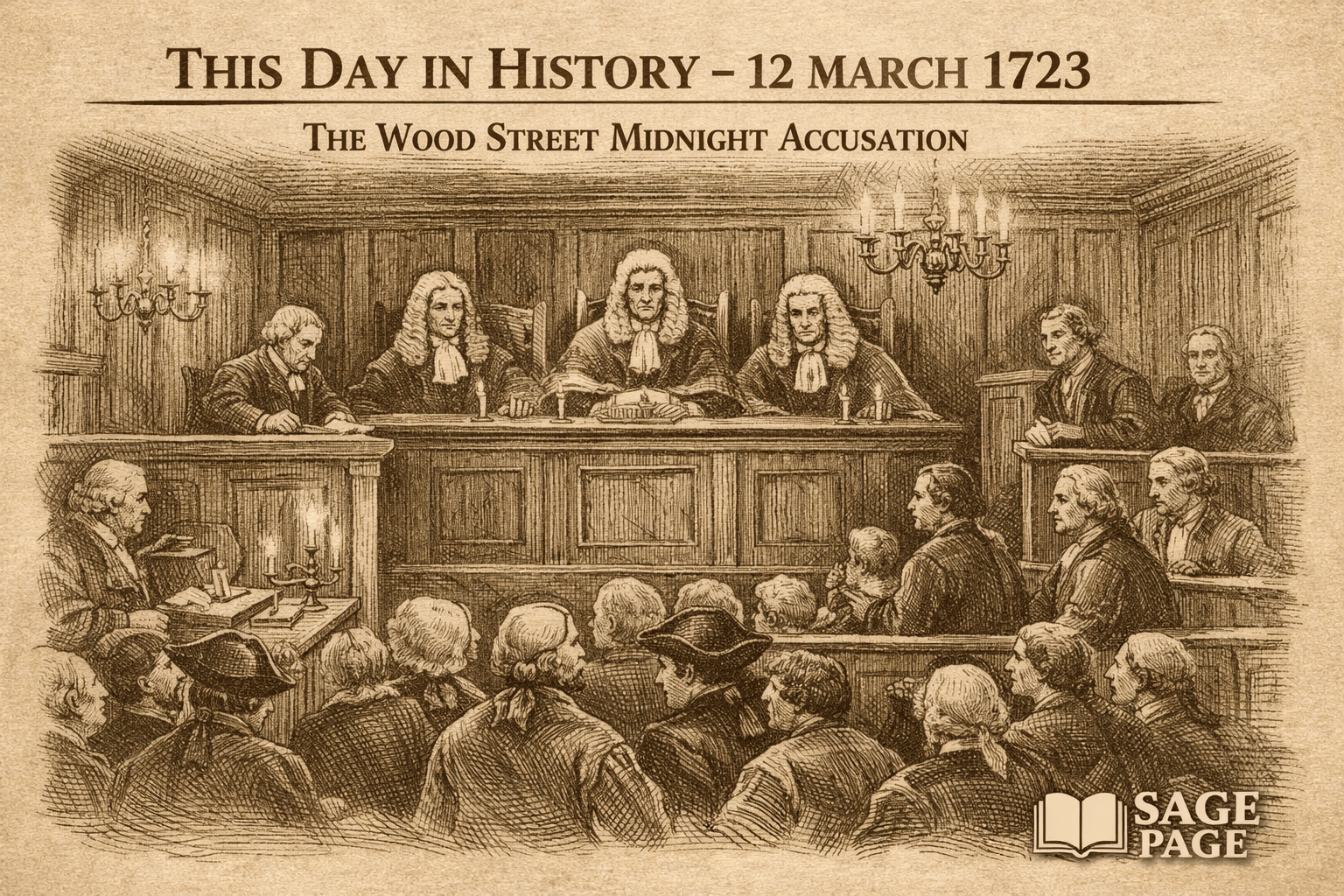
In March 1723 schoolmaster Charles Banner was accused at the Old Bailey of making an indecent assault on fifteen-year-old Nicholas Burgess in Wood Street, London. Although witnesses arranged a trap and arrested him at a planned meeting, the jury ruled the evidence insufficient and acquitted Banner of the charge.
This Day in History: 20 February 1771 — Richard Mortis and the Moonlight Ambush

On 20 February 1771, Richard Mortis was tried at the Old Bailey for shooting Thomas Parkinson in a moonlit field after a dispute over poaching. Found guilty of willful and malicious shooting, Mortis was sentenced to death and executed on 27 March 1771, reflecting the harsh capital laws of Georgian England.
This Day in History: 18 February 1775 — John Smith and the Fatal Return
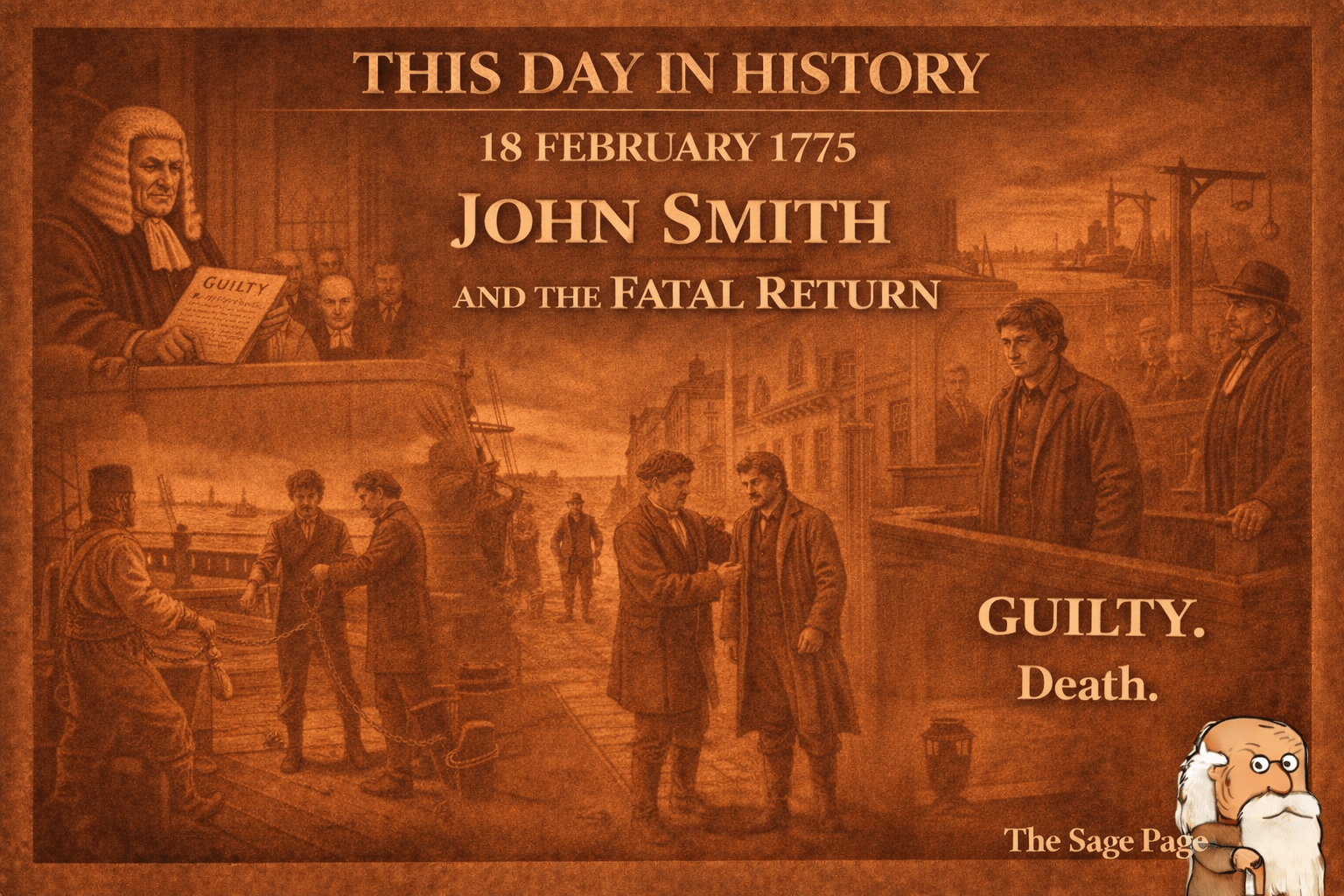
On 18 February 1775, John Smith was tried at the Old Bailey for returning from transportation before his fourteen-year term had expired. Originally sentenced to death for highway robbery and reprieved, he was again condemned to die before being transported once more, on the eve of the American Revolutionary War.
This Day in History: 6 February 1806 — Thomas Crumpton and the Stolen Copper
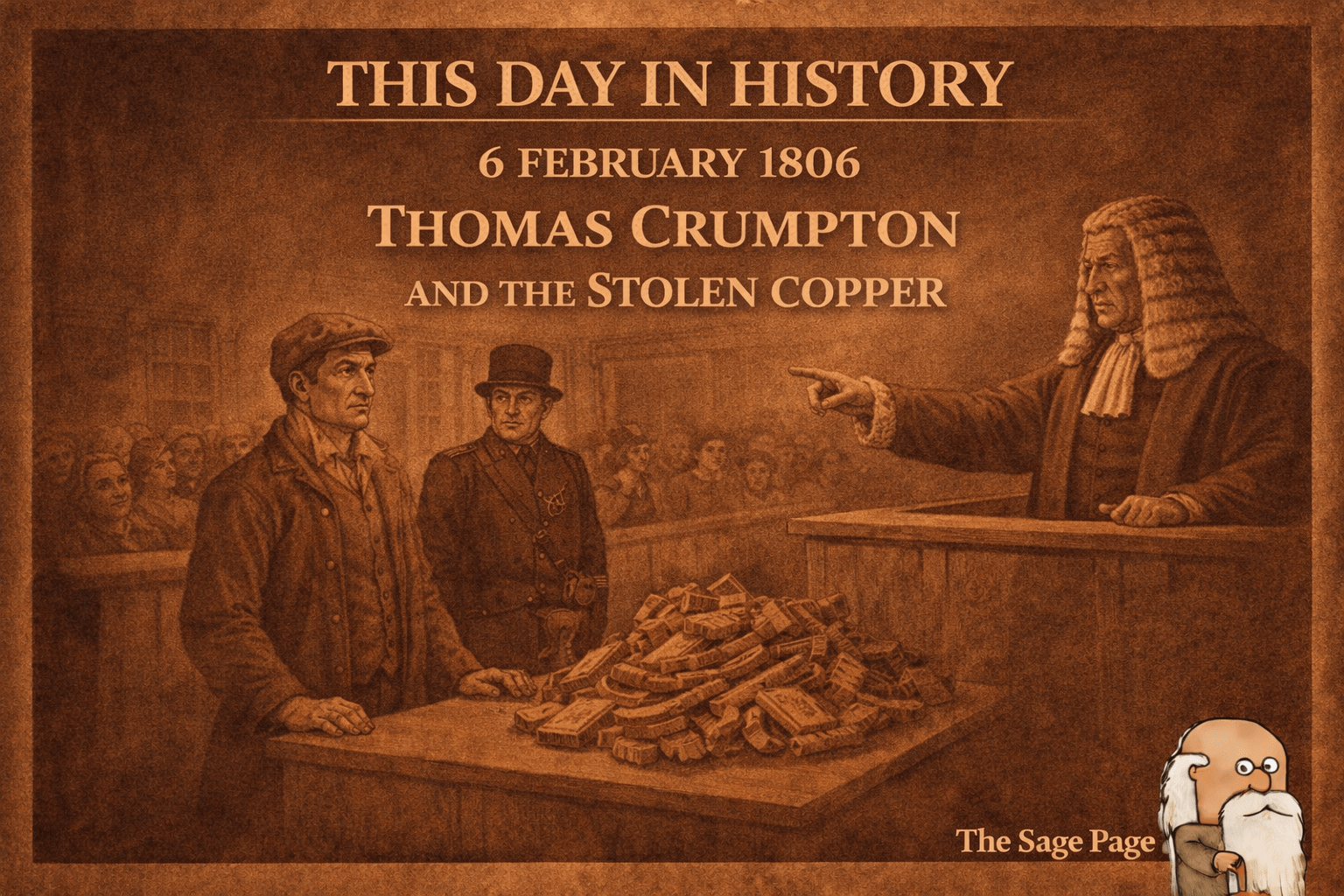
On 6 February 1806, Thomas Crumpton stood trial at the Old Bailey for stealing copper and metal goods worth just over a pound. Found guilty, he was sentenced to twelve months in the House of Correction and fined one shilling, highlighting how minor thefts were punished in Georgian London.
This Day in History: 29 January 1695 — Jeane Bates and the Stolen Plate
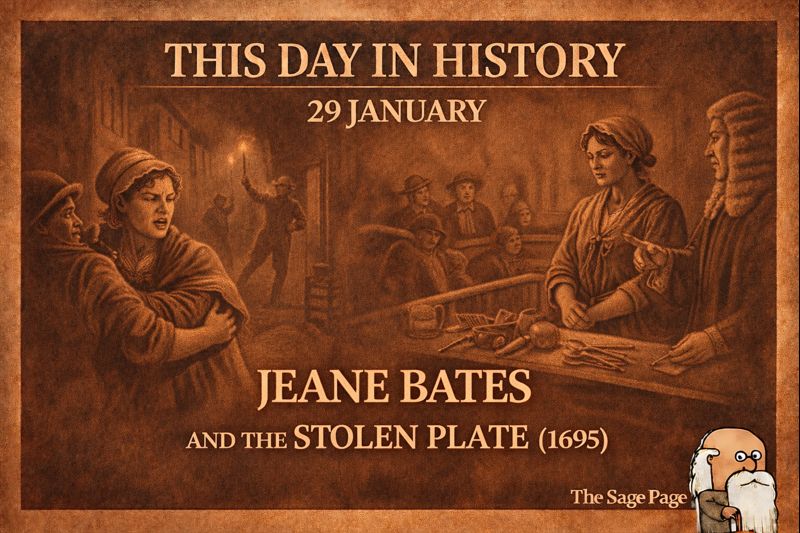
On 29 January 1695, Jeane Bates, using a false name, stole silver plate and household goods from her employer Peter Courtney. Tried at the Old Bailey, she was identified as a repeat offender, found guilty of felony, falsely claimed pregnancy, and was executed at Tyburn. Her case reveals the harsh punishment for servant theft in seventeenth-century London.
This Day in History: 27 January 1688 — Mary Aubry and the Dismembered Murder
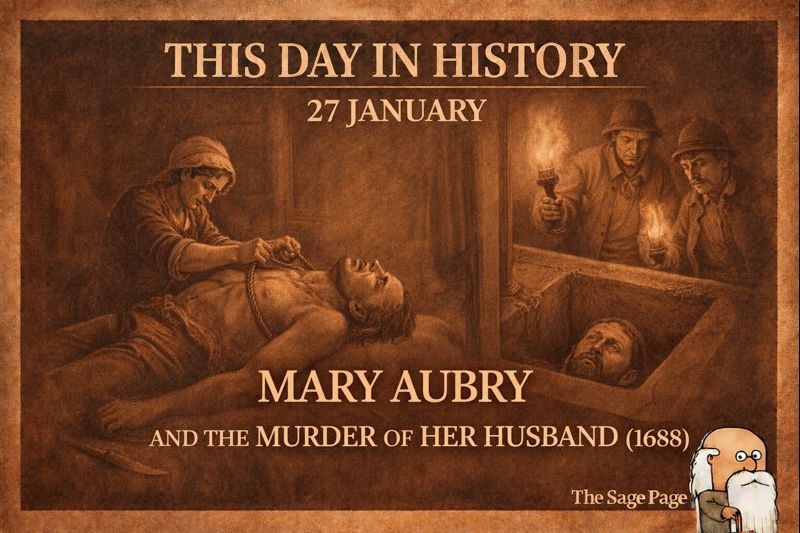
On 27 January 1688, French midwife Mary Aubry murdered her abusive husband in London and dismembered his body. Tried at the Old Bailey on 22 February, she pleaded guilty and was sentenced to burning at the stake, carried out at Leicester Fields on 2 March 1688. Her case became one of early modern England’s most notorious.
This Day in History: 1 December 1838 — The Servant, the Spoons and the Silver Basket

On 1 December 1838, servant Ludlow Tedder stole two silver spoons and a valuable bread-basket from her master, Fitzowen Skinner. Tried at the Old Bailey later that month, she was convicted and transported for ten years to Van Diemen’s Land. This retelling explores trust, temptation and punishment in Victorian London.
This Day in History: 20 November 1782 — The Watch in the Moonlight

On 20 November 1782, John Reynolds stood trial for stealing a silver watch from a passer-by in London. Caught within minutes and tried at the Old Bailey, he was convicted and sentenced to seven years’ transportation. This retelling explores the danger, drama and consequences of petty theft in Georgian London.
This Day in History: 11 November 1794 — The Tale of the Pewter Pots
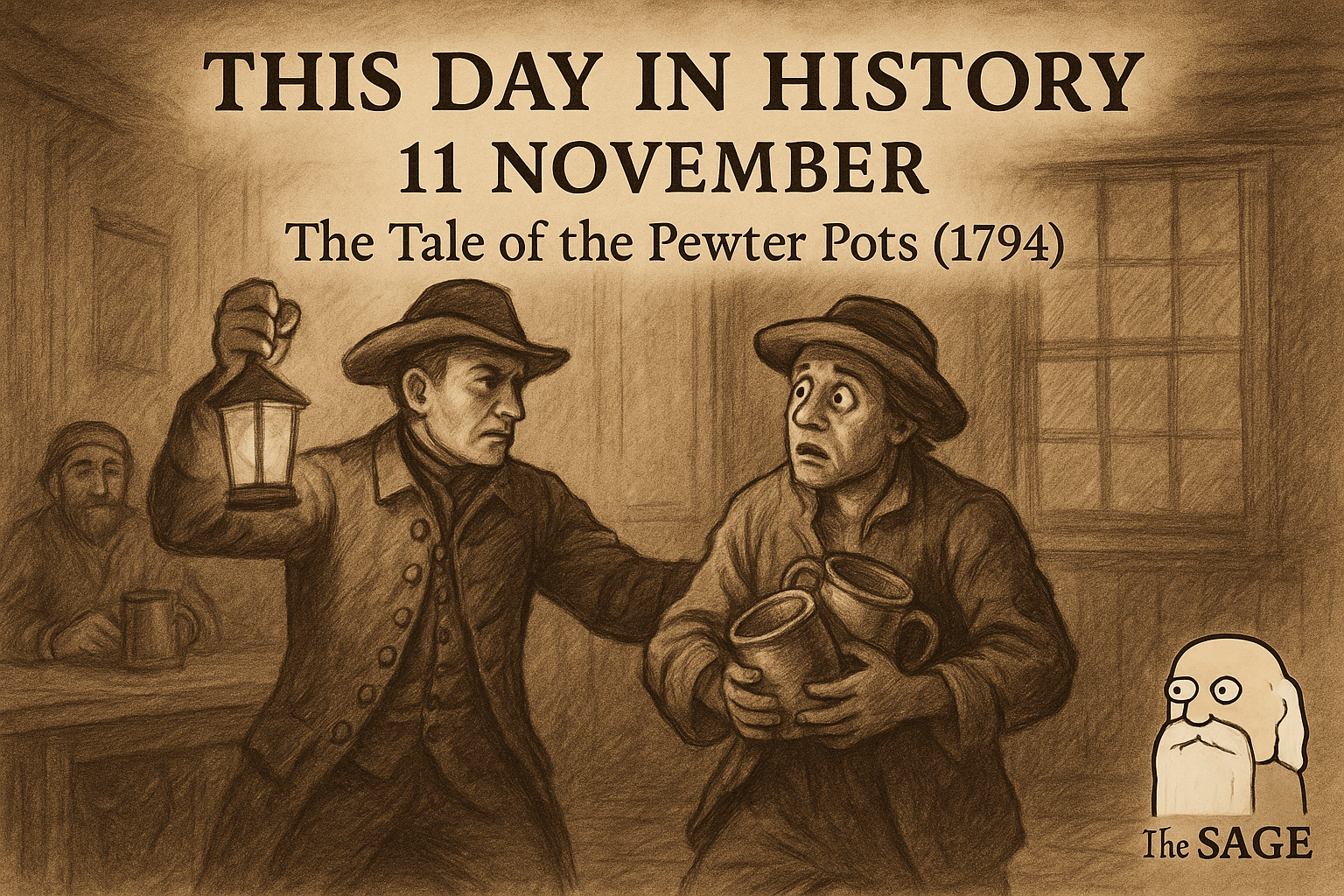
On 11 November 1794, John Webb stood trial at the Old Bailey for stealing pewter pots from a London innkeeper. Convicted and sentenced to seven years’ transportation, his story reveals how small acts of tavern theft could send Georgian Londoners halfway across the world.
 The Sage Page