
Quote of the Day: Resting

“Stop for a rest and log off for a while”

Chris Peacock

Chris Peacock (born January 15, 1975, in Oxford, England) is a renowned contemporary philosopher, author, and digital wellness advocate. Hailing from a background in literature and technology, Peacock has dedicated his career to exploring the intersection of the digital age and human well-being. His thought-provoking works have gained him recognition as a leading voice in the discussion surrounding the impact of technology on modern life.

Early Life and Education:

Chris Peacock was born to Margaret and Edward Peacock, both professors of literature at the University of Oxford. Growing up in an environment enriched with scholarly discussions, Peacock developed an early interest in the intersection of philosophy and technology. He pursued his higher education at Oxford University, where he obtained a degree in Philosophy and Literature.

Literary Career:

Peacock’s literary journey began with his debut novel, “Echoes of Reality,” published in 2001. The novel, which delved into the psychological effects of technology on human perception, garnered critical acclaim and set the stage for Peacock’s subsequent explorations in the realm of digital philosophy.

In the years that followed, Chris Peacock published a series of influential essays and books, including “Digital Dilemma: Navigating the Technological Terrain” (2007) and “Mindful Bytes: Finding Balance in the Digital Age” (2013). These works established Peacock as a thought leader addressing the challenges posed by the rapid evolution of technology and its impact on human behavior.

Digital Wellness Advocacy:

As the proliferation of digital devices continued to shape society, Chris Peacock transitioned into an advocate for digital wellness. His tireless efforts to raise awareness about the importance of mindful technology use led him to establish the Digital Wellness Foundation in 2018, a non-profit organization dedicated to promoting healthy relationships with technology.

The Quote:

In 2020, during an interview with a leading tech magazine, Chris Peacock coined the now-famous phrase, “Stop for a rest and log off for a while.” This succinct and powerful statement encapsulates Peacock’s philosophy on the need for individuals to take breaks from the constant stream of digital information and prioritize their mental well-being.

Peacock’s quote encourages individuals to pause, reflect, and disconnect from the digital world periodically, fostering a healthier relationship with technology. The concept has resonated with a global audience, prompting discussions on the importance of digital detox and self-care in the age of information overload.

Legacy:

Chris Peacock continues to contribute to the fields of philosophy, literature, and digital wellness. His holistic approach to understanding the impact of technology on humanity has left an indelible mark on the discourse surrounding the digital age. As a respected author, philosopher, and advocate, Chris Peacock’s work serves as a guiding light for those navigating the complexities of the modern, interconnected world.

Thank you for reading my writings. If you’d like to, you can buy me a coffee for just £1 and I will think of you while writing my next post! Just hit the link below…. (thanks in advance)

This Day in History: February 8th

Here are 10 historical events that took place on February 8th, listed in chronological order:

  1. 1587: Mary, Queen of Scots, is executed.
  2. 1693: The College of William & Mary in Williamsburg, Virginia, is granted a charter by King William III and Queen Mary II.
  3. 1837: Richard Johnson becomes the first Vice President of the United States chosen by the United States Senate.
  4. 1910: The Boy Scouts of America is incorporated.
  5. 1924: The first successful transcontinental airplane flight, from Los Angeles to New York, is completed by Douglas World Cruisers.
  6. 1960: The first eight brass star plaques are installed in the Hollywood Walk of Fame.
  7. 1963: The Kennedy administration prohibits travel to Cuba and bans financial transactions with Cuban entities by U.S. citizens.
  8. 1986: The Hinton train collision in Alberta, Canada, kills 23 people.
  9. 2010: A freak storm in the Netherlands, Germany, and Belgium claims at least 65 lives.
  10. 2016: The Winter Youth Olympics open in Lillehammer, Norway.

Thank you for reading my writings. If you’d like to, you can buy me a coffee for just £1 and I will think of you while writing my next post! Just hit the link below…. (thanks in advance)

Thought of the Day: Scared to death

What happen if you get scared half to death twice?

The phrase “scared half to death twice” is a humorous play on words rather than a literal scenario. It suggests a hypothetical situation where someone is frightened to the point of being “half-dead” and then experiences the same level of fright again, theoretically resulting in being “fully dead.” However, in reality, being scared cannot cause death, and the phrase is meant for amusement rather than as a description of an actual event.

Thank you for reading my writings. If you’d like to, you can buy me a coffee for just £1 and I will think of you while writing my next post! Just hit the link below…. (thanks in advance)

This Day in History: February 7th

Here are 10 historical events that took place on February 7th, listed in chronological order:

  1. 457 AD: Leo I becomes the Byzantine Emperor.
  2. 1497: The Bonfire of the Vanities occurs in Florence, Italy, as supporters of Girolamo Savonarola burn thousands of objects deemed sinful.
  3. 1812: The strongest in a series of earthquakes strikes New Madrid, Missouri.
  4. 1904: A fire breaks out in Baltimore, Maryland, destroying over 1,500 buildings in 30 hours.
  5. 1940: The British government introduces food rationing as part of the war effort during World War II.
  6. 1962: The United States bans all Cuban imports and exports.
  7. 1984: Astronaut Bruce McCandless II makes the first untethered spacewalk using the Manned Maneuvering Unit (MMU).
  8. 1990: The Central Committee of the Soviet Communist Party agrees to give up its monopoly on power.
  9. 1999: Crown Prince Abdullah becomes the King of Jordan after the death of his father, King Hussein.
  10. 2013: Northeastern United States experiences a historic blizzard known as Winter Storm Nemo, resulting in widespread disruption.

Thank you for reading my writings. If you’d like to, you can buy me a coffee for just £1 and I will think of you while writing my next post! Just hit the link below…. (thanks in advance)

Quote of the Day: Achievement

“When you mount the summit, you amount to something.”

Mike Rotch

Mike Rotch

Born: April 15, 1965

Birthplace: Aspen, Colorado, USA

Mike Rotch is an accomplished mountaineer, philosopher, and motivational speaker best known for his inspirational perspectives on life and achievement. Born on April 15, 1965, in the picturesque town of Aspen, Colorado, Rotch developed a profound connection with the mountains from an early age. His fascination with peaks and summits eventually led him to become a prominent figure in the world of mountaineering.

Early Life and Influences

Growing up in the stunning Rockies, Rotch was surrounded by nature’s grandeur, which instilled in him a deep appreciation for the beauty and challenges of mountainous landscapes. His parents, avid hikers themselves, played a pivotal role in fostering his love for the outdoors. Rotch often accompanied them on treks, creating a foundation for his later ventures into the world of mountain climbing.

Educational Background

After completing his high school education in Aspen, Rotch pursued a degree in Philosophy at the University of Colorado Boulder. This academic endeavor marked the beginning of his journey into the intellectual realms that would later merge seamlessly with his adventurous spirit.

Mountaineering Achievements

Mike Rotch’s mountaineering career took off in the late 1980s when he successfully summited several challenging peaks in the Rockies. His daring expeditions earned him recognition within the mountaineering community and set the stage for more ambitious undertakings.

In 1992, Rotch made headlines by conquering the formidable Denali in Alaska. This achievement marked a turning point in his career and solidified his status as a leading figure in the mountaineering world. Subsequent ascents of renowned peaks like Kilimanjaro, Everest, and the Matterhorn further established his reputation as an accomplished and fearless mountaineer.

Literary Contributions

Rotch’s experiences in the mountains fueled his desire to share the wisdom he gained from these adventures. In 2005, he published his debut book, “Summits of Life: A Philosophy of Peaks,” which intertwined his mountaineering tales with profound philosophical reflections. The book garnered widespread acclaim for its unique blend of adventure narrative and philosophical insight.

Motivational Speaking Career

Building on the success of his book, Mike Rotch transitioned into motivational speaking, captivating audiences with his compelling life philosophy. His lectures, often peppered with anecdotes from his mountaineering expeditions, inspire individuals to overcome personal challenges and strive for greatness.

The Quote: “When you mount the summit, you amount to something.”

Mike Rotch’s famous quote encapsulates the essence of his life philosophy. In positive terms, the quote emphasizes the transformative power of conquering challenges. Rotch suggests that reaching the summit, whether literal or metaphorical, symbolizes personal growth and accomplishment. The phrase encourages individuals to set ambitious goals, overcome obstacles, and elevate themselves to a higher plane of existence.

Through this motivational mantra, Rotch reminds us that the journey to success is not only about reaching the pinnacle but also about the profound changes that occur within ourselves along the way. His enduring legacy as a mountaineer, philosopher, and motivational speaker continues to inspire countless individuals to aspire to new heights and “amount to something” in their own lives.

Thank you for reading my writings. If you’d like to, you can buy me a coffee for just £1 and I will think of you while writing my next post! Just hit the link below…. (thanks in advance)
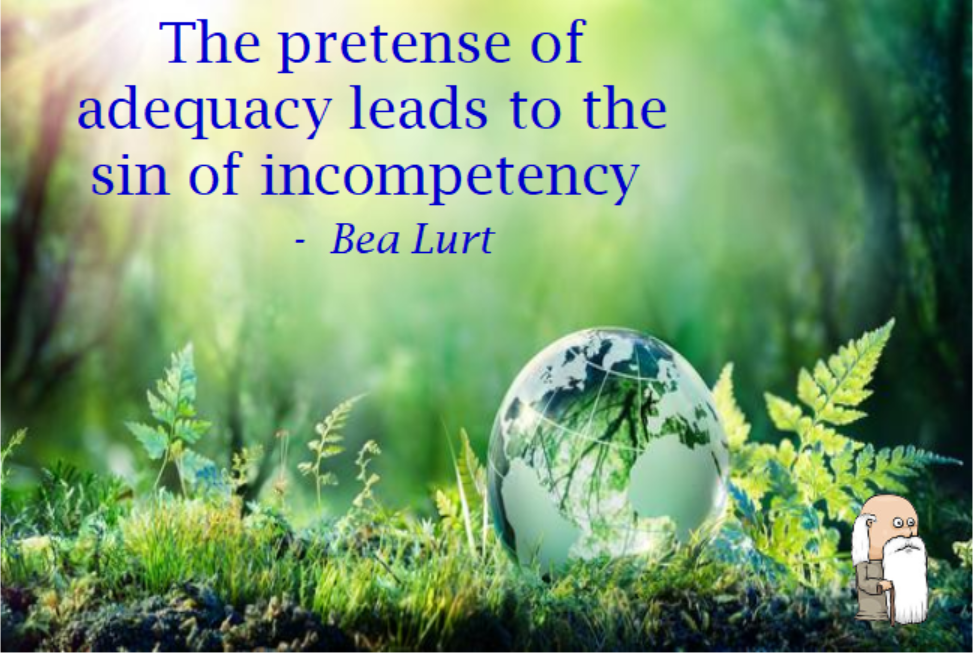
Quote of the Day: Train your Mind

“Train your mind to keep your life on track”

Amber Green

Amber Green: Mindfulness Maven and Architect of Life’s Journey

Early Life and Mindful Foundations

Amber Green, born on July 25, 1978, in the serene town of Tranquility Bay, is a luminary in the field of mindfulness and life navigation. From a young age, Green exhibited a natural affinity for introspection and mental well-being, laying the groundwork for her impactful contributions to the world of personal development.

Educational Pursuits in Conscious Living

Amber Green’s educational journey led her to specialize in Conscious Living and Mindful Psychology at Clarity University. Her academic endeavors delved into the profound connection between mental awareness and life outcomes, setting the stage for a career dedicated to guiding individuals on their personal and transformative journeys.

Literary Beacon of Mindful Wisdom

In 2003, Green published her seminal work, “Mind Tracks: Navigating Life’s Railroad of Thoughts,” a pioneering exploration of the mind’s role in steering one’s life path. This foundational book garnered widespread acclaim and solidified Green’s reputation as a thought leader in the realm of mindfulness. Her subsequent titles, including “The Inner Switch: Mastering Mental Control” (2007) and “Beyond the Junction: A Guide to Life’s Crossroads” (2012), continued to inspire readers on their quests for personal growth.

The Woman Behind the Quote: “Train Your Mind to Keep Your Life on Track”

At the core of Amber Green’s teachings is the resonant quote, “Train your mind to keep your life on track.” This succinct yet profound statement encapsulates Green’s belief in the transformative power of mental conditioning to shape the trajectory of one’s life journey.

Interpretation of the Quote

The quote encourages individuals to cultivate mindfulness as a proactive tool for shaping the course of their lives. Amber Green suggests that by training the mind to navigate challenges, maintain focus, and foster a positive mindset, individuals can create a life path that aligns with their aspirations and values.

The metaphorical use of “train your mind” implies a deliberate and disciplined approach to mental conditioning. By adopting practices such as meditation, self-reflection, and conscious decision-making, individuals can develop the mental resilience needed to navigate the twists and turns of life’s journey.

Legacy of Mindful Empowerment

Amber Green’s legacy extends beyond her literary contributions, influencing individuals seeking to integrate mindfulness into their daily lives. Her teachings serve as a beacon for those navigating the complexities of modern existence, providing a roadmap for creating a harmonious and purposeful life.

As followers of Amber Green’s philosophy “train your mind to keep your life on track” adopt mindful practices, they contribute to a collective consciousness focused on positive growth and intentional living. In a world often filled with distractions and uncertainties, Green’s teachings continue to guide individuals toward a more mindful and fulfilling existence.

Thank you for reading my writings. If you’d like to, you can buy me a coffee for just £1 and I will think of you while writing my next post! Just hit the link below…. (thanks in advance)

Thought of the Day: Is life fair?

If life is unfair to everyone, does that mean that life is actually fair?

The statement “life is unfair to everyone” implies a certain level of shared difficulty or adversity that all individuals face in different ways. However, whether this makes life inherently fair is a matter of perspective. Life’s challenges may be distributed unevenly among people, with some facing more difficulties than others due to factors beyond their control, such as socioeconomic conditions, health issues, or other circumstances.

From one perspective, the shared experience of facing challenges might be considered a form of fairness. On the other hand, the extent and nature of these challenges can vary greatly, and factors like privilege, opportunities, and systemic inequalities can still result in disparities in how individuals experience life’s fairness.

Ultimately, the concept of fairness in life is complex and subjective. People may perceive and interpret life’s challenges and opportunities differently based on their individual circumstances and perspectives. Whether life is considered fair or unfair often depends on one’s values, beliefs, and experiences.

Thank you for reading my writings. If you’d like to, you can buy me a coffee for just £1 and I will think of you while writing my next post! Just hit the link below…. (thanks in advance)

This Day in History: February 3rd

Here are 10 historical events that took place on February 3rd, listed in chronological order:

  1. 1637: Tulipmania reaches its peak in the Netherlands, leading to an economic bubble and subsequent crash.
  2. 1783: Spain recognizes the independence of the United States.
  3. 1870: The 15th Amendment to the United States Constitution is ratified, granting African American men the right to vote.
  4. 1913: The 16th Amendment to the United States Constitution is ratified, allowing Congress to impose income taxes.
  5. 1924: Woodrow Wilson, the 28th President of the United States, dies in Washington, D.C.
  6. 1959: The “Day the Music Died” – Rock and roll musicians Buddy Holly, Ritchie Valens, and J.P. “The Big Bopper” Richardson die in a plane crash in Iowa.
  7. 1966: The Soviet Luna 9 spacecraft becomes the first to make a soft landing on the Moon and send back photographs.
  8. 1984: Space Shuttle Challenger breaks a record for the shortest turnaround time between launches, taking only 54 days to go from landing to launch.
  9. 1995: Astronaut Eileen Collins becomes the first woman to pilot the Space Shuttle as mission STS-63 gets underway.
  10. 2013: The northeastern United States experiences a massive winter storm known as Winter Storm Nemo, bringing heavy snowfall and causing widespread disruptions.

These events span a wide range of historical and cultural significance across different eras and regions.

Thank you for reading my writings. If you’d like to, you can buy me a coffee for just £1 and I will think of you while writing my next post! Just hit the link below…. (thanks in advance)

Quote of the Day: Mystery

“You need mist to make mystery”

Sue Ridge

Sue Ridge (born September 12, 1958, in San Francisco, California) is an acclaimed American author and philosopher known for her profound contributions to the realms of literature and metaphysical thought. Born into a family of artists, Ridge exhibited a keen interest in the written word from a young age, foreshadowing her future career as a distinguished author.

Early Life and Education:

Growing up amidst the cultural vibrancy of San Francisco, Ridge developed a unique perspective on life and art. She pursued her academic endeavors at Stanford University, where she earned a Bachelor’s degree in English Literature with honors in 1980. During her time at Stanford, Ridge delved into the works of various literary giants, laying the foundation for her own literary pursuits.

Literary Career:

Sue Ridge embarked on her literary journey in the early 1980s, captivating readers with her evocative prose and innovative philosophical ideas. Her debut novel, “Whispers of the Mist” (1985), garnered critical acclaim for its lyrical beauty and exploration of existential themes. This marked the beginning of Ridge’s reputation as a visionary author, paving the way for a series of intellectually stimulating works that would shape her legacy.

Notable Works:

  • “Ephemeral Echoes” (1991): Ridge’s second novel further established her as a leading voice in contemporary literature, delving into the transient nature of human existence.
  • “The Alchemy of Silence” (1998): This philosophical treatise became a seminal work in Ridge’s career, exploring the profound impact of silence on human understanding and spiritual awakening.

Philosophical Contributions:

Sue Ridge’s philosophy blends elements of existentialism, mysticism, and metaphysics. She has been a keynote speaker at numerous international conferences, captivating audiences with her eloquent discussions on the interconnectedness of life and the importance of embracing mystery.

The Quote and Its Meaning:

In 2010, Sue Ridge coined the phrase, “You need mist to make mystery,” encapsulating her profound belief in the transformative power of ambiguity and the unknown. Ridge suggests that, much like mist veils the landscape, mystery cloaks the truths of existence, inviting individuals to explore and unravel the enigmatic aspects of life. The quote has since become a mantra for those seeking deeper understanding and embracing the beauty found within life’s uncertainties.

Legacy:

Sue Ridge continues to inspire readers and thinkers alike with her literary contributions and philosophical insights. Her impact on the intersection of literature and metaphysics remains enduring, solidifying her place as a luminary in the world of letters.

Thank you for reading my writings. If you’d like to, you can buy me a coffee for just £1 and I will think of you while writing my next post! Just hit the link below…. (thanks in advance)

Thought of the Day: Fire

Nothing is ever really on fire, but rather fire is on things.

The statement “nothing is ever really on fire, but rather fire is on things” reflects a perspective on the nature of fire. In a sense, fire is a process of combustion that occurs when a substance combines with oxygen, releasing heat and light. From this viewpoint, it is accurate to say that objects are undergoing combustion and producing fire rather than the fire itself being a tangible entity.

In scientific terms, fire is a chemical reaction known as combustion. It involves the rapid oxidation of a material in the presence of oxygen, typically accompanied by the release of heat and light. The material that is burning undergoes a chemical transformation, and what we perceive as “fire” is the visible result of this process.

So, while it might be a matter of perspective, the statement aligns with the scientific understanding of combustion and the role of materials in the fire-making process.

Thank you for reading my writings. If you’d like to, you can buy me a coffee for just £1 and I will think of you while writing my next post! Just hit the link below…. (thanks in advance)