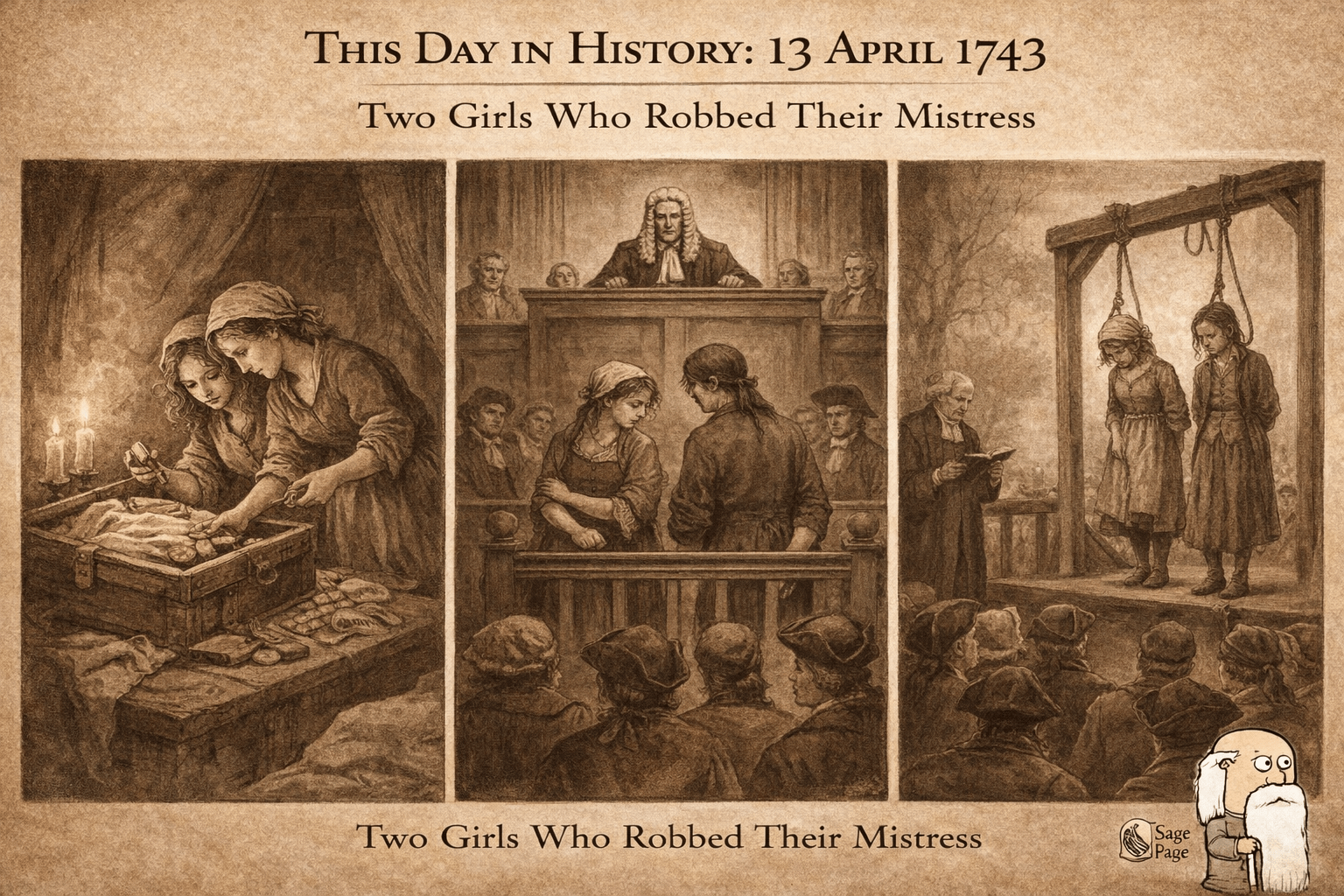
In 1743, apprentice Elizabeth Cannon and lodger Ann Ellard robbed their bedridden mistress after a night of drunken planning. Caught within hours, they confessed and were sentenced to death. This tragic Old Bailey case reveals how quickly crime, drink, and desperation could lead to the gallows in Georgian London.
Tag Archives: old bailey records
This Day in History: 10 April 1771
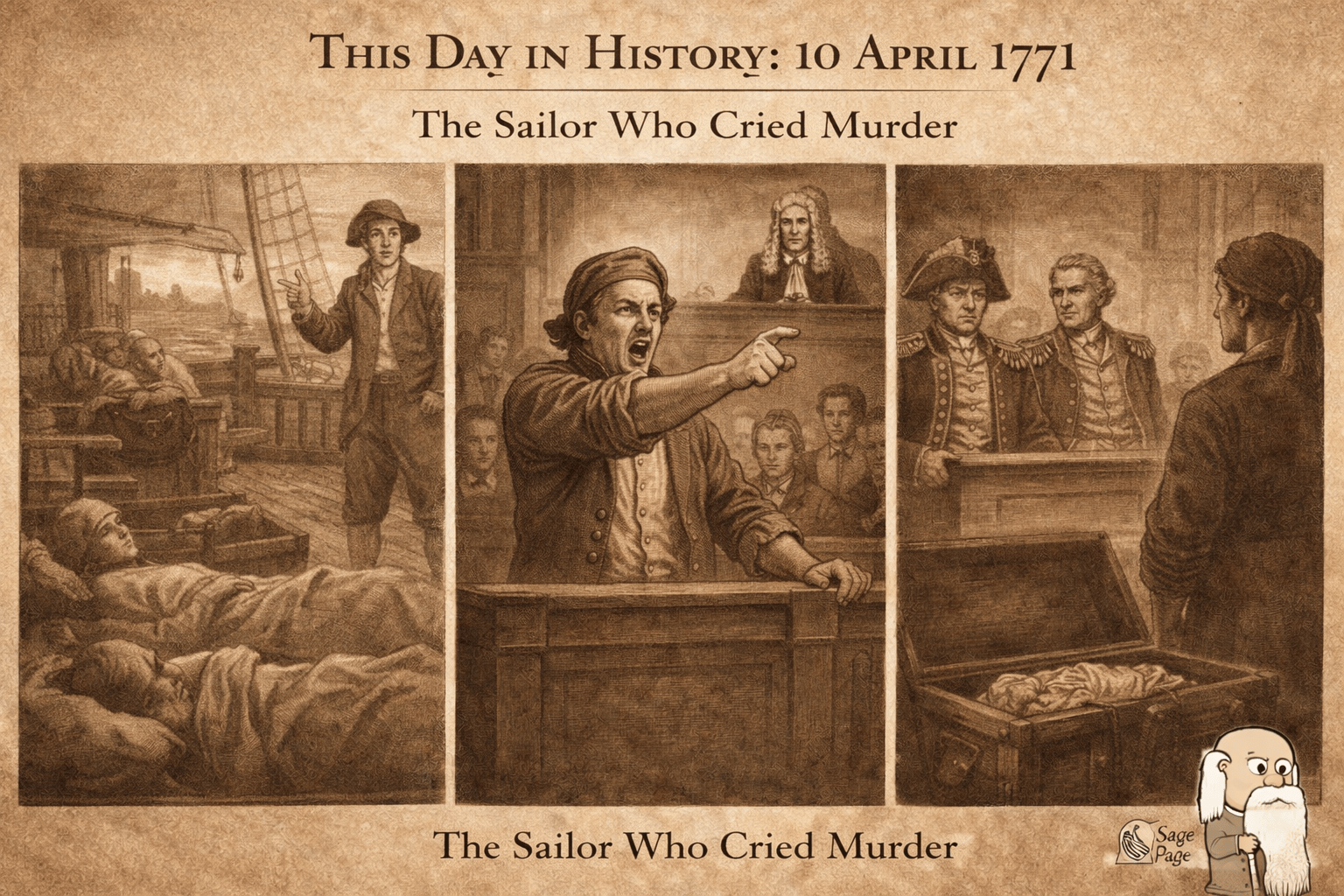
In 1771, sailor John Commings was convicted of perjury after falsely accusing Captain Richard Broad of murdering Thomas Scott aboard the King David. This remarkable Old Bailey case exposed contradictions, collapsing testimony, and the deadly danger of false evidence in an age when a man’s life could hang on a witness’s word.
This Day in History: 9 April 1684
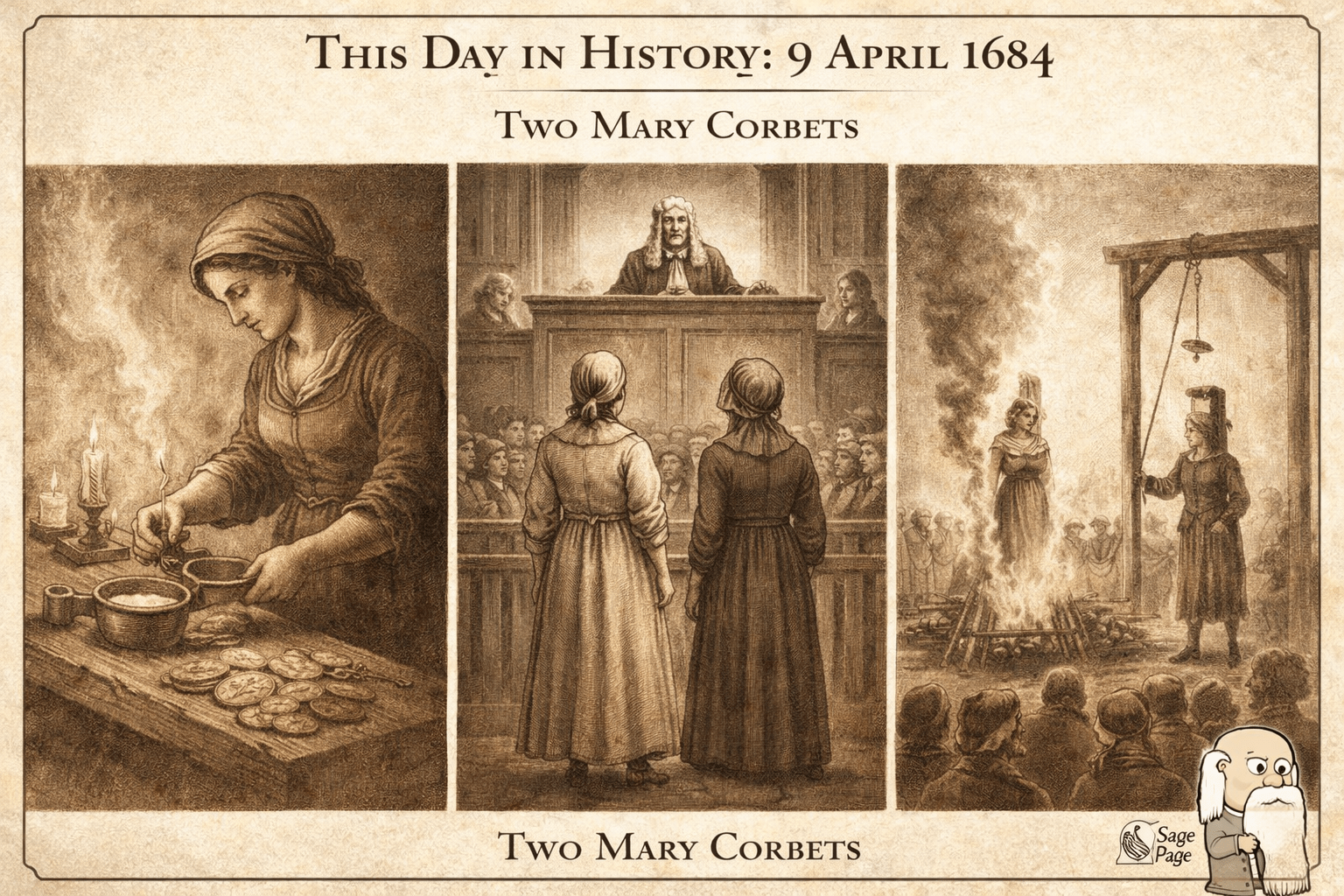
On 9 April 1684, two women named Mary Corbet were tried at the Old Bailey—one for counterfeiting coin, the other for murdering her concealed newborn child. Both were sentenced to death, yet later records hint at a royal pardon, leaving their ultimate fates uncertain and historically ambiguous.
This Day in History: 8 April 1719
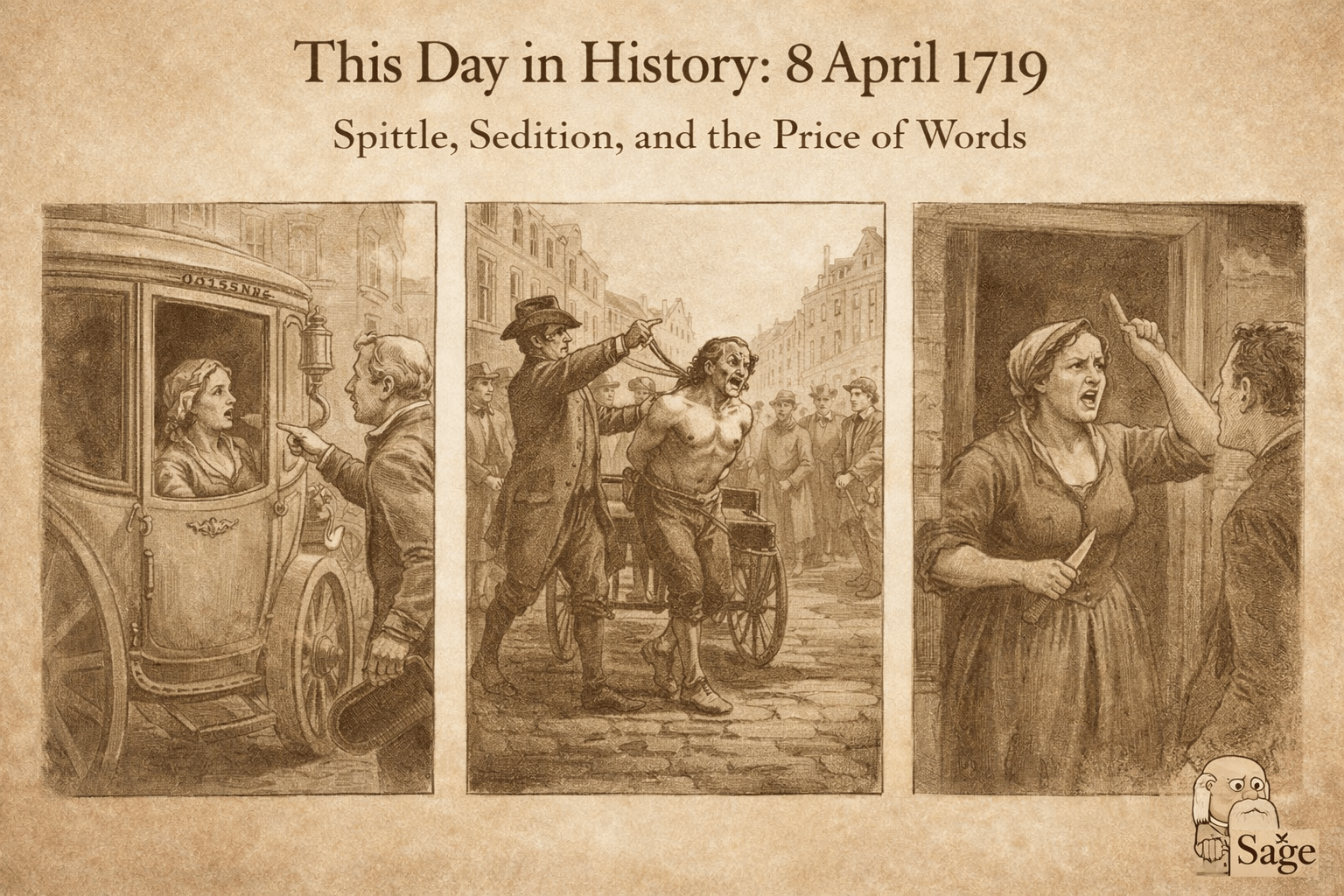
In 1719, two Old Bailey cases revealed the dangers of defying the Crown. Augustine Moore was brutally punished for insulting the Princess of Wales, while Margaret Hicks was convicted for cursing King George I and issuing threats. Together, the cases highlight how seriously words—and dissent—were treated in early 18th-century England.
This Day in History: 7 April 1725
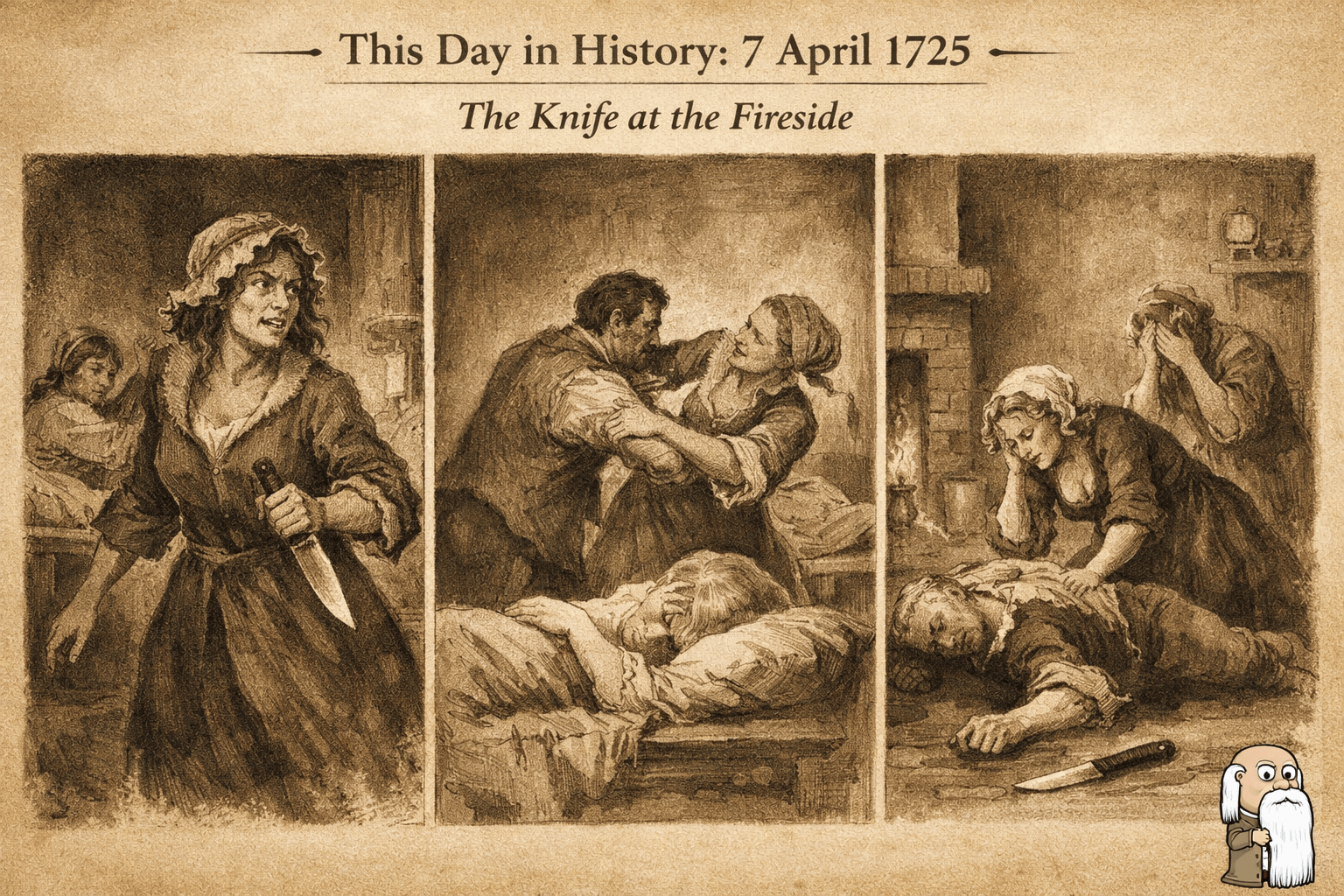
In 1725, Mary Hanson was convicted of murdering her brother-in-law, Francis Peters, during a drunken domestic dispute in St Katherine’s, London. With no prior quarrel or motive, the case shocked contemporaries and stands as a stark example of how sudden violence could lead swiftly to execution in 18th-century England.
This Day in History: 2 April 1788
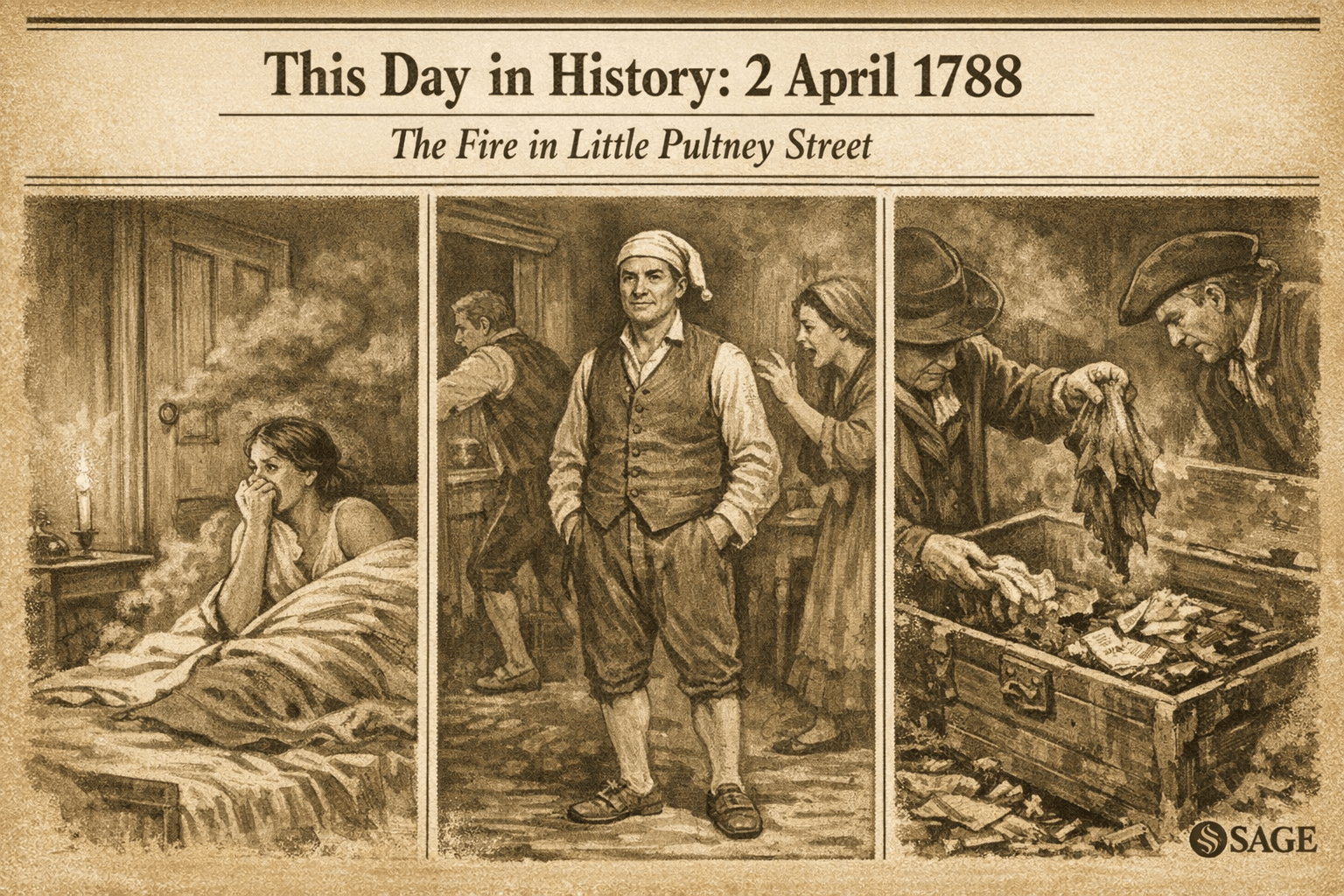
n 1788, tailor David Clary was convicted of deliberately setting fire to his own home in London—triggering a blaze that endangered neighbouring properties. With no direct witnesses, the case relied entirely on circumstantial evidence, revealing one of the earliest and most striking examples of suspected insurance fraud.
This Day in History – 25 March 1797
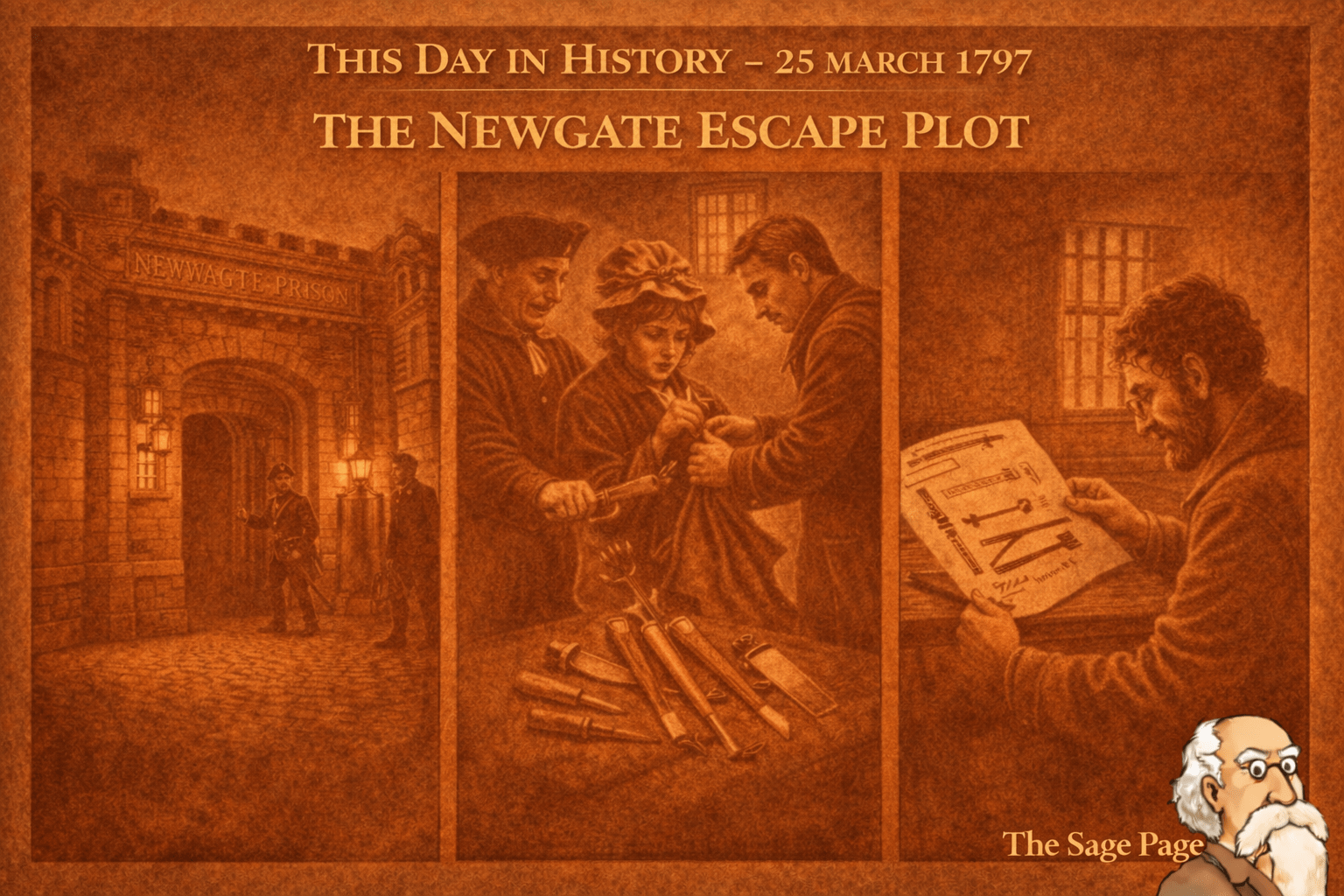
In 1797, Elizabeth Willoughby was caught smuggling escape tools into Newgate Prison for condemned prisoner William Harper. This Old Bailey case reveals a bold jailbreak plot involving saws, chisels, and deception—offering a vivid glimpse into crime, punishment, and prison life in Georgian London.

