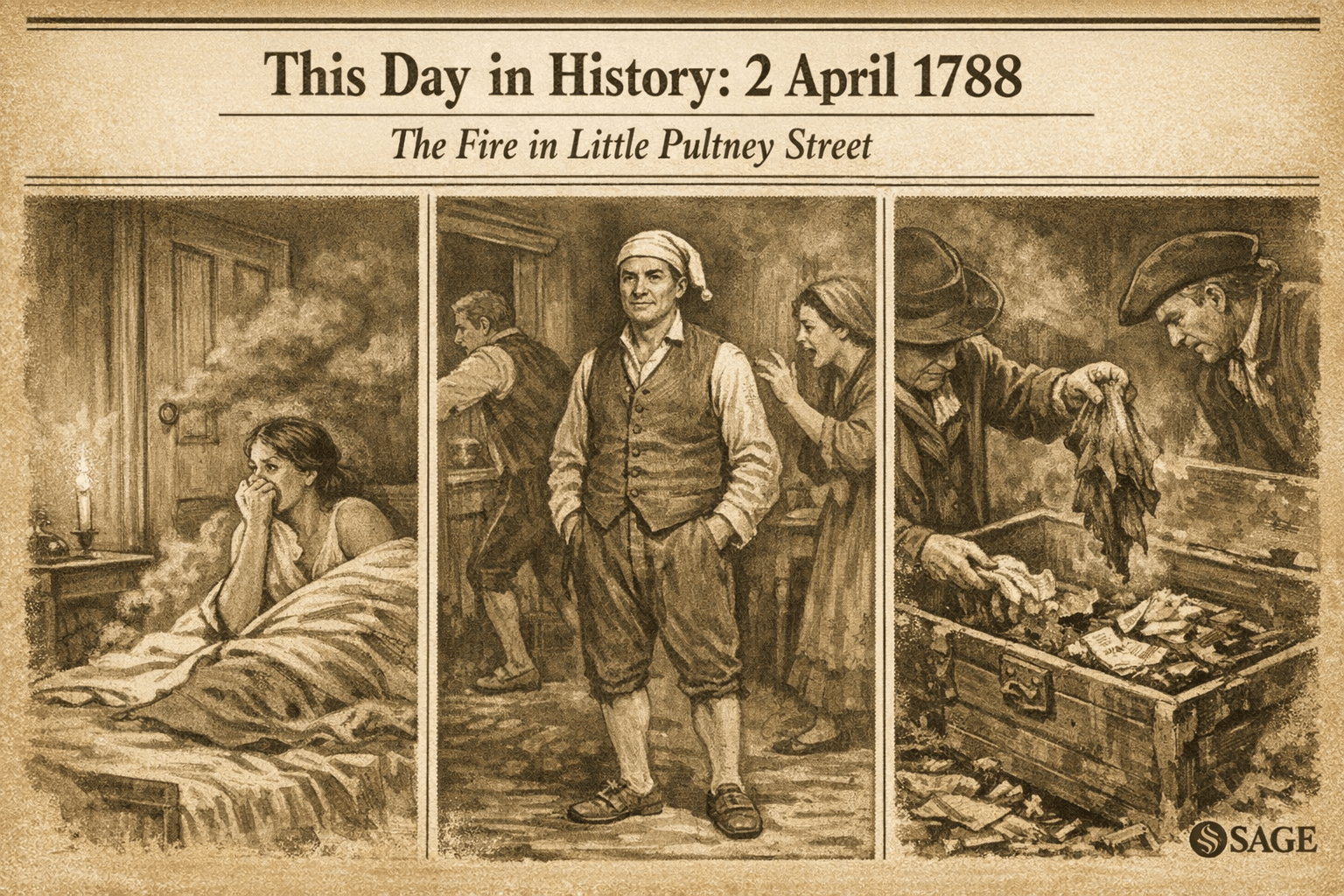
n 1788, tailor David Clary was convicted of deliberately setting fire to his own home in London—triggering a blaze that endangered neighbouring properties. With no direct witnesses, the case relied entirely on circumstantial evidence, revealing one of the earliest and most striking examples of suspected insurance fraud.
Tag Archives: short-story
Clock Jokes
A collection of classic clock jokes featuring time-based humour, familiar punchlines, and simple wordplay. These clean, widely recognised jokes are perfect for anyone who enjoys light-hearted humour about clocks, watches, and the passing of time.
Business Jokes

A collection of classic business jokes featuring workplace humour, job mishaps, and office life comedy. Packed with well-known punchlines and relatable situations, these jokes highlight the lighter side of business, making them perfect for anyone familiar with work, meetings, and corporate life.
Boss Jokes
A funny collection of boss jokes about office life, workplace humour, and management mishaps. Packed with witty one-liners and relatable humour, these jokes are perfect for anyone who has ever had a boss, worked in an office, or questioned a meeting that could have been an email.
Blonde Jokes

A playful collection of classic blonde jokes featuring light-hearted humour, silly misunderstandings, and timeless one-liners. Designed to be fun and harmless, these jokes deliver easy laughs with a gentle tone, making them perfect for anyone who enjoys simple, classic joke formats.
Bartender Jokes

A classic collection of bartender jokes featuring witty bar humour, clever wordplay, and timeless “man walks into a bar” gags. Perfect for fans of pub jokes, dry humour, and quick one-liners that deliver laughs as smoothly as a well-poured pint.
This Day in History: 21 February 1787 — Charles Shaw and the Robbery at St Paul’s
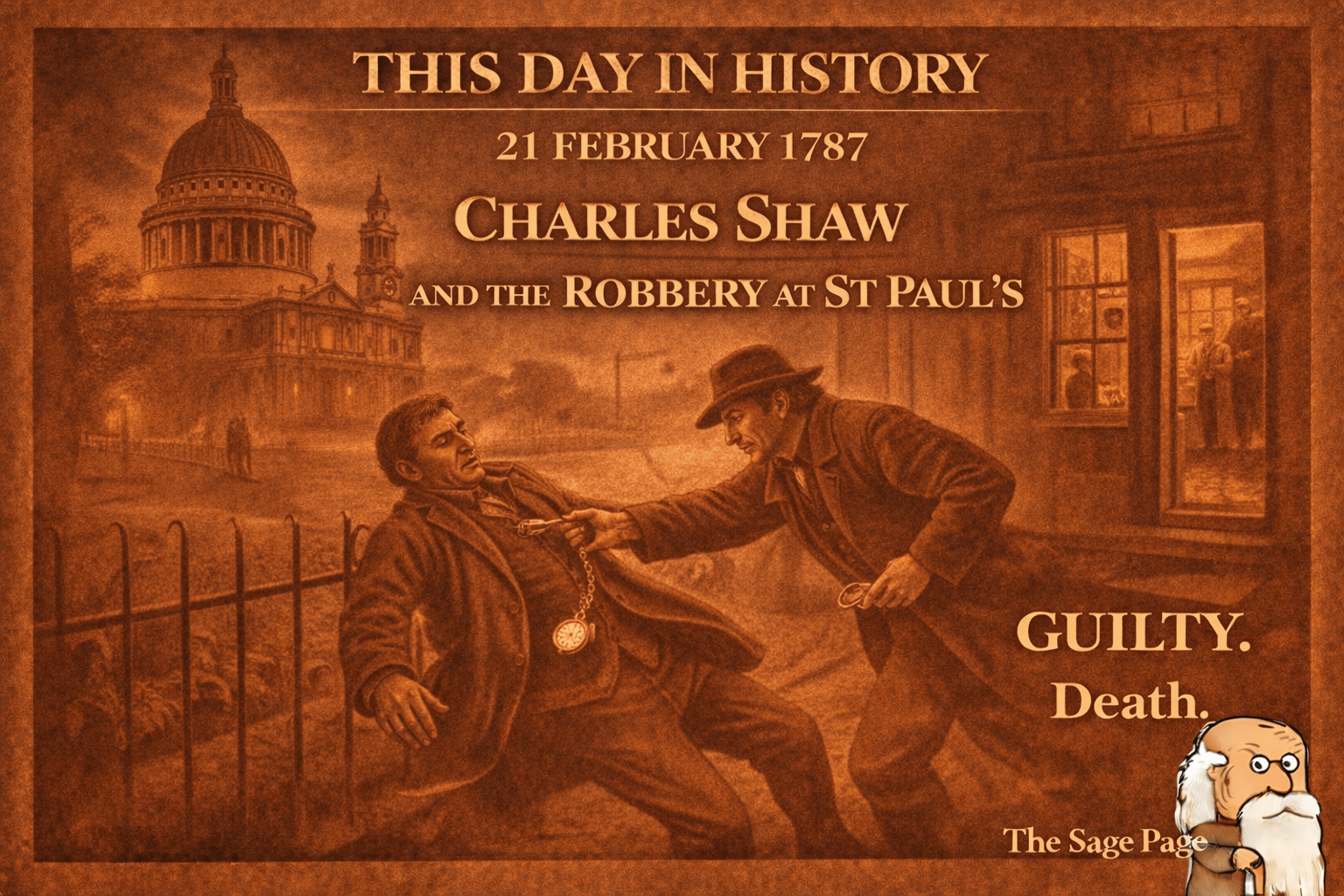
On 21 February 1787, Charles Shaw was tried at the Old Bailey for robbing John Hughes near St Paul’s Churchyard. Accused of tripping him and stealing a silver watch worth forty shillings, Shaw was found guilty of highway robbery and executed at Newgate Prison on 26 April 1787.
This Day in History: 5 February 1808 — Edward Westbrooke and the Stolen Cotton
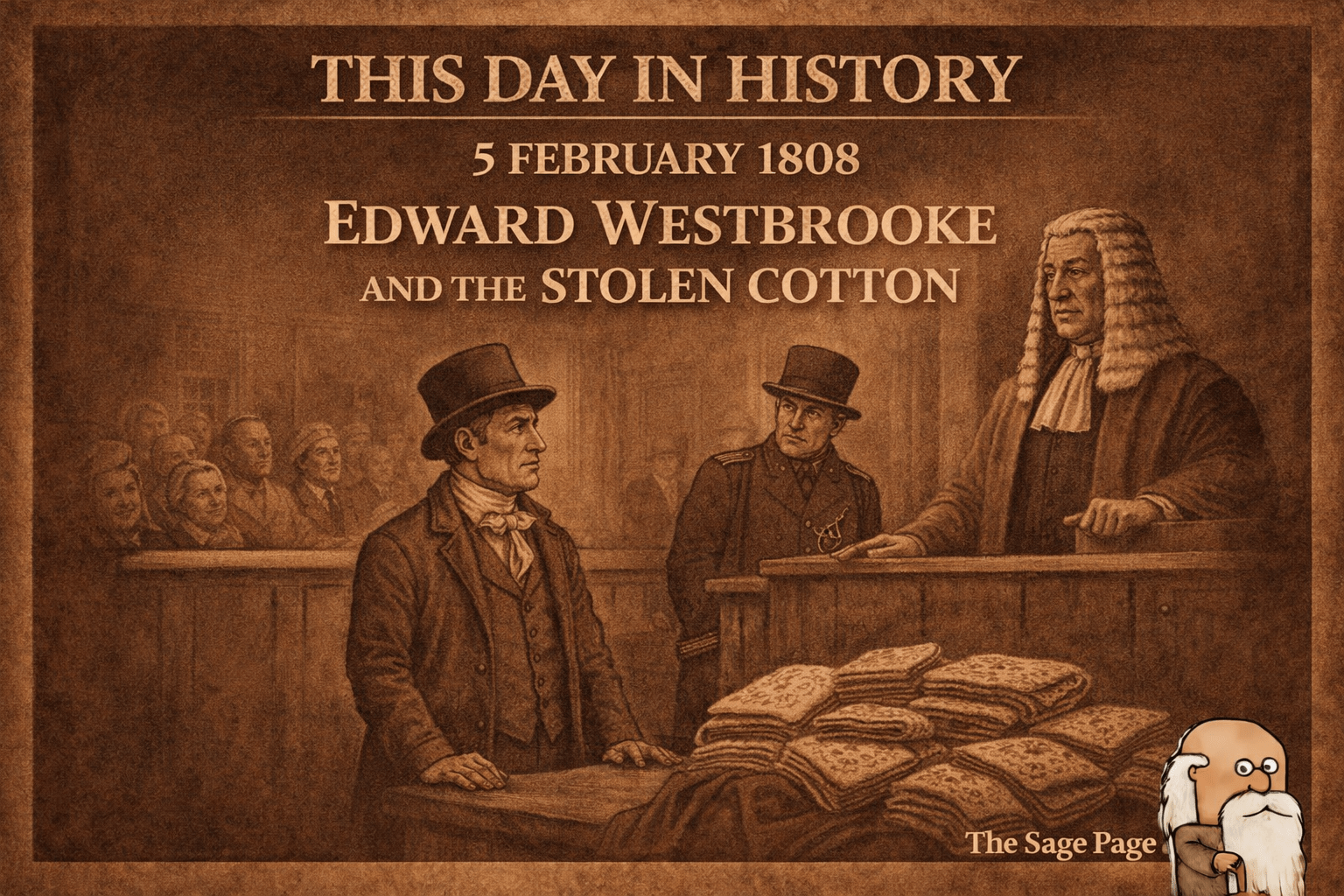
On 5 February 1808, London’s highest criminal court, the Old Bailey, heard the case of Edward Westbrooke, who stood accused of stealing hundreds of printed cotton handkerchiefs and other textiles — goods of considerable value in the commercial heart of Georgian England. His trial, conviction and ultimate fate reveal much about how property, punishment andContinue reading “This Day in History: 5 February 1808 — Edward Westbrooke and the Stolen Cotton”
This Day in History: 11 December 1765 — Catherine Wilks and the Printed Cotton

On 11 December 1765, Catherine Wilks was tried at the Old Bailey for stealing printed cotton from a London shop. Found guilty of grand larceny, she faced transportation, the common punishment for such thefts. Her case reveals the risks and realities of women navigating 18th-century London’s commercial world.
 The Sage Page