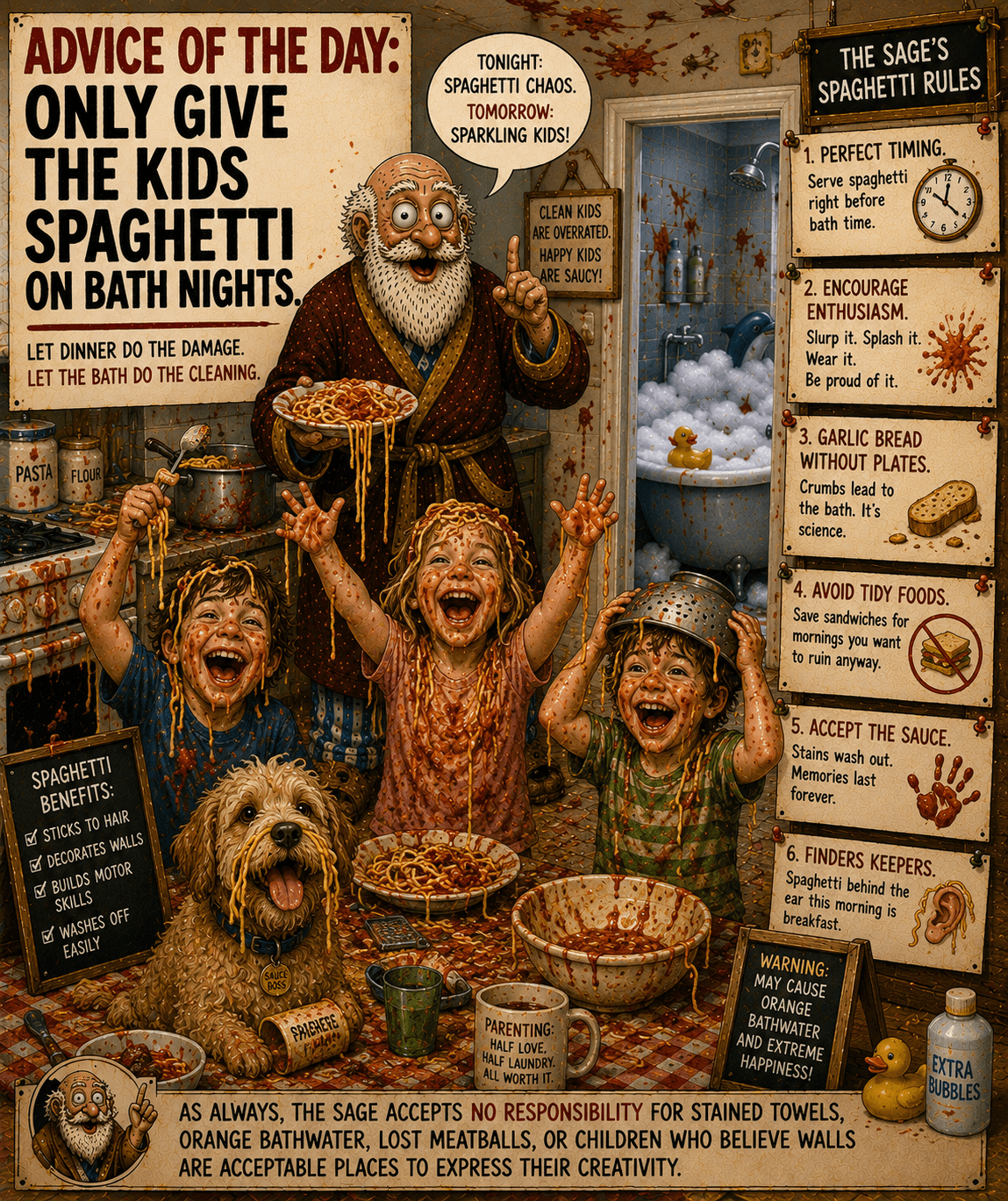
Quote of the Day: The Climb

“A quotation may point to the summit, but it is no substitute for the climb — and you cannot enjoy the view second-hand.”
— The Sage


Quotations have a special appeal. They distil complex thoughts into neat, memorable lines — little fragments of wisdom that can be carried easily from one moment to the next. But The Sage reminds us that while quotations can inspire, they are not a replacement for lived experience.

A quote may describe the summit, evoke its beauty, and even stir the desire to reach it. Yet no description, however eloquent, can match the feeling of the climb itself — the effort, the uncertainty, the persistence required to arrive there. The journey is what gives the view its meaning.

There is a quiet temptation to collect wisdom rather than live it. To admire the view from afar, through the words of others, instead of making the ascent ourselves. But true enjoyment comes not from repetition, but from participation. The summit is always more rewarding when it has been earned.

— The Sage


Thank you for reading my writings. If you’d like to, you can buy me a coffee for just £1 and I will think of you while writing my next post! Just hit the link below…. (thanks in advance)


Advice of the Day: Remembering People’s Names

Avoid forgetting people’s names by never learning them in the first place.

The Sage

Remembering names can be one of life’s most awkward challenges. You meet someone, they tell you their name, and within seconds it vanishes into the same mysterious void as where you left your keys. The Wise Sage recommends removing the problem entirely.

By never properly registering a person’s name, you free yourself from the burden of recall. Instead, rely on universal terms such as “mate,” “champ,” or the ever-versatile “you.” These have the added benefit of sounding friendly while revealing absolutely nothing about your memory.

For more formal situations, the Sage advises using strategically vague greetings like “Good to see you again,” or “How have you been?” This creates the illusion of familiarity without the dangerous risk of getting a name wrong. If absolutely necessary, introduce a third person and allow the name to be revealed naturally.

If all else fails, simply lean in and say, “Remind me of your name again — I like to hear it properly.” This reframes your failure as enthusiasm.

As always, The Sage accepts no responsibility for prolonged confusion, accidental reintroductions, or maintaining a friendship with someone whose name you may never know.


Thank you for reading my writings. If you’d like to, you can buy me a coffee for just £1 and I will think of you while writing my next post! Just hit the link below…. (thanks in advance)
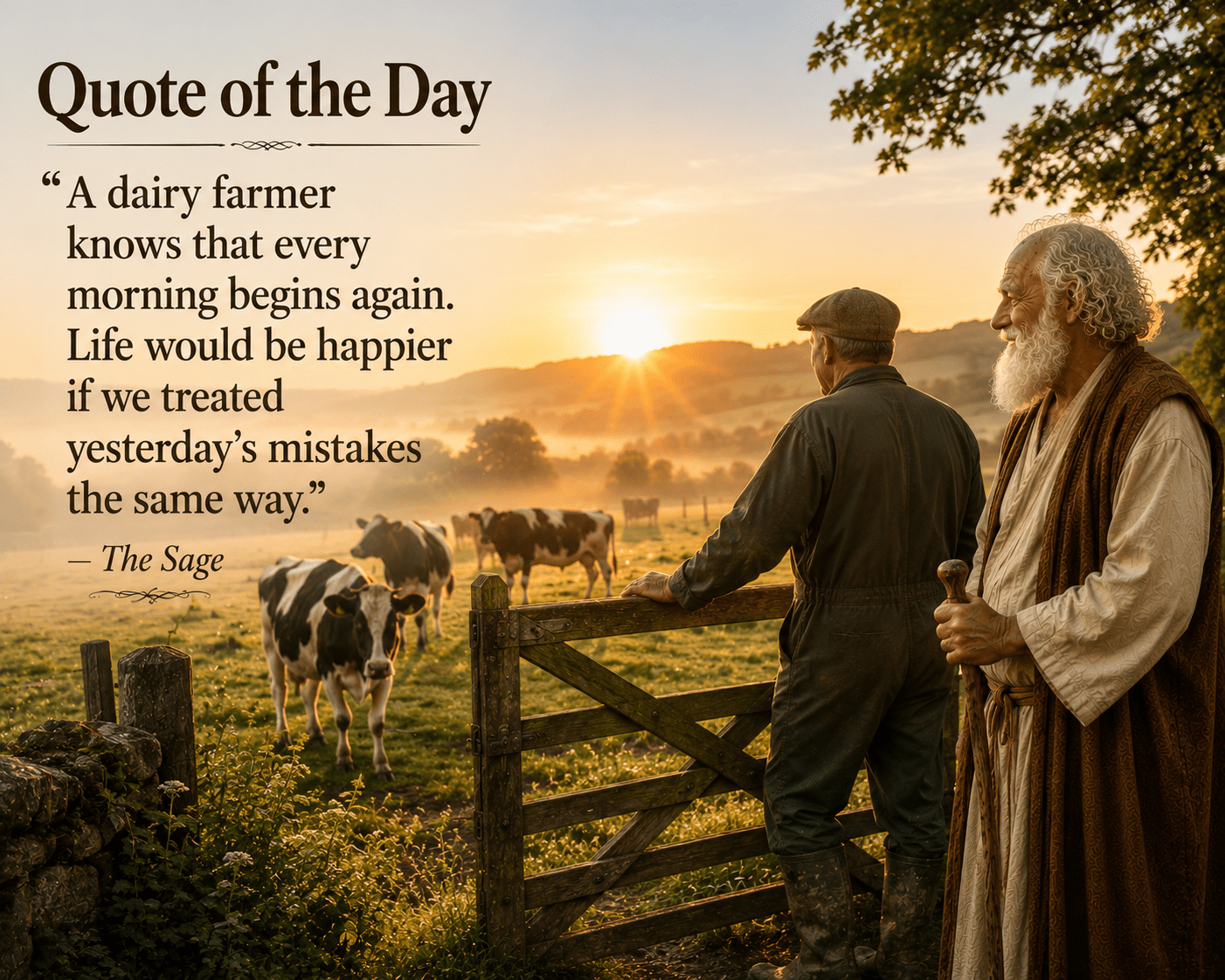
This Day in History: 7 April 1725

The Knife at the Fireside


A Domestic Evening Turns Deadly

On a quiet Sunday evening in March 1725, a small room in St Katherine’s, near the Tower of London, held nothing more unusual than a family gathered indoors.

A woman lay resting after a recent miscarriage.
Her husband dozed beside her.
Her brother sat by the fire.

It was, by all appearances, an ordinary domestic scene.

Then Mary Hanson entered the room.


The Prisoner

Mary Hanson was not a stranger.

She was:

  • Sister to Martha Hanson
  • Sister-in-law to the deceased, Francis Peters
  • A woman known to the household

But on this night, she was also:

👉 Very drunk
👉 Holding a knife

Witnesses would later describe her pacing the room, agitated, demanding food, and speaking with growing hostility.


“If There’s Victuals, I’ll Have It”

Matthias Hanson, husband to Martha, recalled the moment clearly.

Awoken from rest, he saw Mary:

“Walking about the Room with a Knife in her Hand.”

Her demand was simple:

“If there’s any Victuals in the House, I’ll have it.”

Francis Peters attempted calm.

“Molly… here’s enough for us all.”

But reason did not prevail.


Escalation

Mary’s temper sharpened.

When urged to quiet herself—or leave—she replied:

“If Right took place, you ought to go out first.”

The tension thickened.

Francis rose to remove her from the room.

What followed happened in seconds.


The Fatal Blow

As Peters moved to push her out, Mary struck.

The knife entered his chest:

  • One inch long
  • Three inches deep

A wound near the right breast.

He fell almost immediately.


Chaos in the Room

Martha Hanson, weak and bedridden, tried to intervene.

Mary turned on her:

“I think it’s no Sin to cut your Throat.”

She struck her sister.

Moments later, as Mary Peters (the victim’s wife) attempted to separate them, she too was cut across the hand.

Then came the cry:

“You have kill’d my Husband!”

Mary Hanson’s reply was chilling:

“I wish I had stab’d ye all.”

She threw the knife against the wall.


A Death in Minutes

Francis Peters did not linger long.

He sank to his knees.

Within half an hour—

He was dead.

A surgeon was called.

But there was nothing to be done.


No Motive, No Quarrel

What makes this case particularly stark is its lack of premeditation.

Witnesses were consistent:

  • No prior quarrel
  • No long-standing grievance
  • No plotted intent

Only drink.

Only temper.

Only a moment.


The Trial

The evidence was overwhelming:

  • Multiple eyewitnesses
  • Consistent accounts
  • Immediate identification of the act

The jury did not hesitate.

👉 GUILTY

Sentence:

👉 Death


The Ordinary’s Account

In the weeks before her execution, Mary Hanson underwent a transformation familiar in the records of the time.

She expressed:

  • Deep remorse
  • Religious reflection
  • A desire for salvation

Most strikingly, she did not excuse herself.

Instead, she said:

👉 Her drunkenness was not an excuse—but an aggravation

She warned others:

To avoid drunkenness, “the leader to various Misfortunes.”

And accepted her fate as just.


Why This Case Matters

This is not a tale of conspiracy or calculation.

There was:

  • No financial gain
  • No hidden scheme
  • No long-nursed revenge

Only a moment of uncontrolled violence.

And yet—

That moment was enough.

The case stands as a stark reminder of a truth well understood in the 18th century:

👉 A single act, committed in passion, may carry the full weight of the law

And perhaps more unsettling still—

That such acts often begin not with hatred…

But with something as ordinary as drink, pride, and a refusal to yield.


Thank you for reading my writings. If you’d like to, you can buy me a coffee for just £1 and I will think of you while writing my next post! Just hit the link below…. (thanks in advance)

Advice of the Day: Pretending to Be on the Phone

Avoid awkward conversations by holding your phone to your ear and saying, “I can’t talk right now,” to no one in particular.

The sage

Modern life has provided us with a perfect escape device: the mobile phone. The Wise Sage recommends using it not for communication, but for strategic avoidance.

At the first sign of an unwanted interaction — a neighbour approaching, a clipboard in the distance, or someone saying “Have you got a minute?” — immediately raise your phone to your ear and begin speaking. The key is confidence. You are not pretending; you are simply engaged in an invisible conversation.

For added realism, occasionally pause and say things like, “No, that won’t work,” or “Tell them I’m on my way.” This creates the impression of urgency and importance, discouraging interruption. Walking briskly while talking will further reinforce the illusion that you have somewhere more important to be.

If you accidentally make eye contact, simply frown and say, “I’ll call you back,” before lowering the phone and walking away in the opposite direction. This suggests closure without inviting further discussion.

As always, The Sage accepts no responsibility for walking into lampposts, answering a real call mid-performance, or being caught with a silent phone.


Thank you for reading my writings. If you’d like to, you can buy me a coffee for just £1 and I will think of you while writing my next post! Just hit the link below…. (thanks in advance)
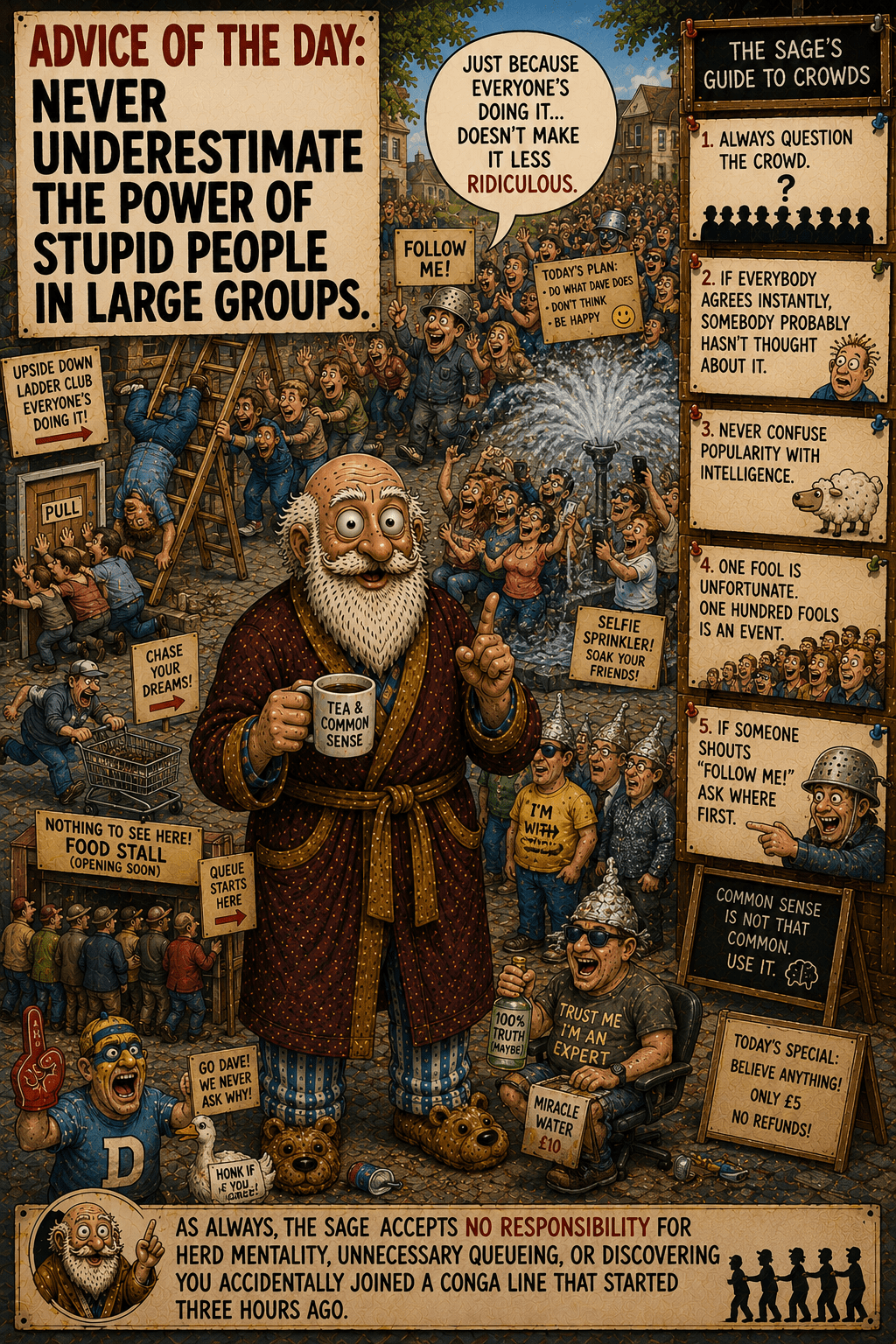
Quote of the Day: Understanding Ourselves

“We often place our hearts before an invisible jury, yet what we truly yearn for is not judgment, but to be understood — like a girl who simply wishes to be seen as she is.”
The Sage


There is a quiet habit many of us carry without noticing: we live as though we are constantly being assessed. Our choices, our words, even our feelings are presented to an imagined jury — one that weighs, critiques, and passes silent verdicts. The Sage suggests that much of this pressure is self-created, shaped by our fear of how we might be perceived.

Yet beneath this performance lies something far simpler. Most people are not seeking approval as much as they are seeking understanding. To be seen clearly, without distortion or expectation, is one of the deepest human desires. It is not about winning a verdict, but about being recognised for who we truly are.

There is a particular honesty in this longing — like that of a young girl who does not wish to impress, but simply to be accepted as she is. When we step away from the imagined jury, we create space for something more genuine: connection without performance, and acceptance without judgment.

— The Sage


Thank you for reading my writings. If you’d like to, you can buy me a coffee for just £1 and I will think of you while writing my next post! Just hit the link below…. (thanks in advance)
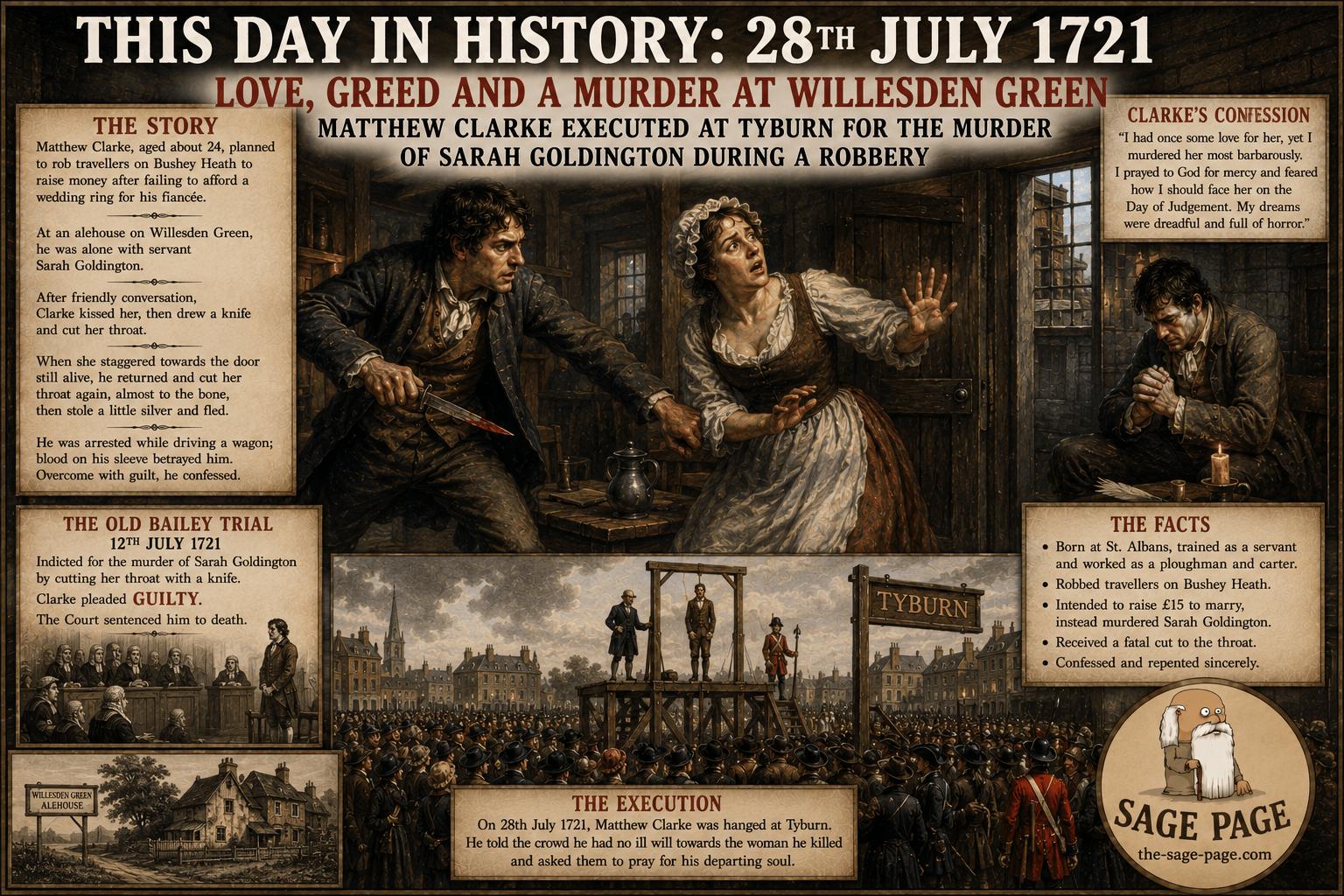
This Day in History: 2 April 1788

Old Bailey Trial: The Fire in Little Pultney Street


A Fire in the Night

In the early hours of Monday, 24th March 1788, as London slept beneath a clear spring sky, a quiet street in St James, Westminster, began to fill with the unmistakable scent of smoke.

It was not flame that came first—but smell.

From within a modest tailor’s house in Little Pultney Street, a faint but growing odour crept through walls and floorboards. Then came the sound: the sharp, unnatural cracking of wood under heat.

By the time the neighbours realised what was happening, it was already too late.


The Accused

At the centre of the case stood:

  • David Clary, a tailor by trade
  • Elizabeth Gombert, his housekeeper and companion

They were accused not merely of setting fire to a house—but of doing so deliberately, and with intent to burn the neighbouring property of John Imray, a grocer whose premises adjoined Clary’s.

Under English law, this distinction mattered greatly.
A man burning his own house was not necessarily guilty of felony.

But if that fire spread?

Then it became something far darker.


A Suspicious Blaze

The fire began in a small, cramped space described as a “ware-room”—a narrow, windowless area beneath the stairs.

There was no fireplace.

No candle.

No reason for fire at all.

Yet witnesses described something else entirely.

Sarah Bishop, a lodger, recalled waking to:

“A smell of oil, very strong and powerful… and the cracking of wood.”

When she opened her door, smoke poured in so thick it nearly suffocated her.


A Strange Calm

What struck many witnesses was not panic—but composure.

When lodgers rushed upstairs in alarm, they found Clary:

  • Fully dressed
  • Standing calmly
  • Hands in his pockets

He made no attempt to save his goods.
No effort to open the shop shutters.

Instead, he reassured others.

“Do not alarm yourself.”

Meanwhile, Elizabeth Gombert told neighbours the fire was likely “in the next house.”


“Hush! Hush!” in the Dark

Outside, the mystery deepened.

A neighbour, roused by the smell of smoke, called out into the night:

“For God’s sake, tell me where the fire is!”

The reply came—not as help, but as warning:

“Hush! hush!”

No alarm was raised.

No cry of fire.

Only silence—and smoke.


The Vanishing Goods

Clary had recently insured his property for £900.

After the fire, he claimed losses far exceeding that:

  • Hundreds of pounds in bank notes
  • Dozens of coats and waistcoats
  • Thousands of buttons
  • Large quantities of silk and nankeen

Yet when the ruins were searched, almost nothing was found.

No melted metal.
No cloth.
No silver.
No bank notes.

Instead, investigators uncovered something else.


The Chest

At the centre of the fire’s origin lay a partially burned chest.

Clary identified it immediately:

“That is the chest where my property was.”

Inside, they expected to find wealth.

Instead, they found:

  • Hay-bands
  • Paper soaked in oil
  • Combustible material carefully arranged

A fire waiting to happen.


The Evidence of Poverty

Witness after witness painted a consistent picture of Clary’s circumstances:

  • Unable to pay rent
  • Unable to pay taxes
  • Frequently in debt
  • Little visible stock in his shop

One lodger observed bluntly:

“I wonder how Mr. Clary lives in this manner.”

Yet suddenly—just weeks before the fire—he insured his goods.

And after the fire?

He claimed riches no one had ever seen.


The Fatal Logic of Circumstance

There were no eyewitnesses to the act itself.

No one saw a flame lit.

But the prosecution did not need one.

They relied on circumstantial evidence, carefully layered:

  • A fire in a place where no fire should be
  • Combustible materials hidden in a chest
  • Missing goods that had likely never existed
  • A man in debt, recently insured
  • Suspicious behaviour before, during, and after the fire

As the prosecutor told the jury:

“No man sets fire to a house in the presence of another… it must depend on circumstances.”


The Verdict

After hearing extensive testimony, the jury delivered its decision:

  • David Clary — GUILTY
  • Elizabeth Gombert — NOT GUILTY

Clary was sentenced to death.


Why This Case Matters

The Clary case is not merely a story of arson.

It is an early example of something distinctly modern:

👉 Insurance fraud

But more than that, it reveals a deeper truth about justice in the 18th century:

  • Guilt did not require direct proof
  • Behaviour could condemn as surely as action
  • A man’s character, debts, and contradictions could form a noose as tight as any rope

And perhaps most chilling of all—

The fire itself did not need to be seen.

Only understood.


Thank you for reading my writings. If you’d like to, you can buy me a coffee for just £1 and I will think of you while writing my next post! Just hit the link below…. (thanks in advance)
Retirement Jokes

Retirement — that magical moment when weekends lose all meaning and every day becomes a carefully managed balance between relaxation and wondering what day it is. After years of hard work, early alarms, and questionable meetings, retirement offers freedom… along with a surprising amount of time to fill. Naturally, it also brings plenty to laugh about.


Retirement Jokes

I’m not retired…
I’m a professional relaxer.


Retirement is great…
you never have to request time off again.


I used to have a schedule…
now I have a vague sense of time.


The best thing about retirement?
No Mondays.


I thought retirement would be boring…
turns out, I just needed practice doing nothing.


I finally retired…
now I work harder trying to avoid doing things.


Retirement means…
my job is now remembering what day it is.


I used to set an alarm…
now I wake up when my joints decide.


Retirement is wonderful…
until you realise you’re always at home.


I told my boss I was retiring…
he said, “Lucky you.”


I don’t miss work…
I miss complaining about it.


Retirement is like a long coffee break…
without the coffee.


I thought I’d travel more in retirement…
turns out I just travel to the fridge.


I’ve been retired for six months…
and I’m already booked solid doing nothing.


Retirement means…
every day is Saturday… except Sunday.


I used to work all day…
now I wonder where the day went.


Retirement is when…
you stop living at work and start working at living.


I don’t need a holiday anymore…
my whole life is one.


Retirement is great…
until your spouse realises you’re always there.


I’ve mastered retirement…
I can sit down for hours with no clear objective.


I used to rush everywhere…
now I arrive early and sit down.


Retirement is when…
your biggest decision is tea or coffee.


I don’t get paid anymore…
but at least I don’t have to pretend to work.


I thought I’d miss my job…
but I mostly miss payday.


Retirement is freedom…
with a slight loss of structure.


I used to dream of retirement…
now I dream about what day it is.


I’ve got plenty to do in retirement…
I just don’t feel like doing any of it.


Retirement means…
no deadlines, just lifelines.


I used to count the hours at work…
now I lose track of them completely.


Retirement is like a permanent weekend…
with fewer plans.


I told someone I was retired…
they said, “You look busy.” I said, “I’m not.”


I finally retired…
now I need a break.


Retirement may mark the end of working life, but it’s also the beginning of a new kind of freedom — one where time slows down just enough to enjoy the little things… and occasionally forget them. The Sage would advise embracing it fully: nap when needed, laugh often, and never rush unless there’s a kettle involved.


Thank you for reading my writings. If you’d like to, you can buy me a coffee for just £1 and I will think of you while writing my next post! Just hit the link below…. (thanks in advance)
Old People Jokes

Age, as they say, is just a number — albeit one that tends to arrive with a few extra noises when you stand up. From forgetfulness to fearless honesty, getting older brings its own brand of comedy, often unintentional. These jokes celebrate the lighter side of ageing, where wisdom increases… and so does the need for a comfortable chair.


Old People Jokes

I’m not old…
I’ve just been young for a very long time.


You know you’re getting old when…
you stand up slowly, not because you want to, but because your body insists.


I told my doctor I felt like a teenager again…
he said, “That’s probably confusion.”


You know you’re old when…
your back goes out more than you do.


I don’t need anti-ageing cream…
I need a rewind button.


You know you’re getting old when…
you sit in a rocking chair and can’t get it going.


I remember when I was young…
so do most historians.


I’m at that age where…
my train of thought often leaves the station without me.


You know you’re old when…
you start every sentence with “Back in my day…”


I tried to act my age…
it was exhausting.


You know you’re getting old when…
happy hour is a nap.


I don’t forget things…
I just temporarily lose them forever.


You know you’re old when…
your idea of a wild night is staying up past 10.


I still have a photographic memory…
it just hasn’t developed yet.


You know you’re getting old when…
you bend down to tie your shoes and wonder what else you can do while you’re down there.


I told my friend I felt old…
he said, “That’s because you are.”


You know you’re old when…
your joints make more noise than your music.


I’ve reached the age where…
my brain goes from “You probably shouldn’t say that” to “What the heck, let’s see what happens.”


You know you’re getting old when…
you start turning down the radio to see better.


I don’t need glasses…
I just need bigger writing.


You know you’re old when…
your candles cost more than your cake.


I still run…
mostly out of patience.


You know you’re getting old when…
you wake up with new aches you didn’t earn.


I’m not old…
I’m a classic.


You know you’re getting old when…
you start looking forward to cancelling plans.


I told someone my age…
they said, “That explains everything.”


You know you’re old when…
your favourite exercise is a good sit-down.


I’ve got to the stage where…
I don’t need an alarm clock — my aches wake me up.


You know you’re getting old when…
you spend more time talking about what you used to do than what you’re going to do.


I don’t need a memory test…
I just need a reminder.


You know you’re old when…
you read the menu before deciding to go to the restaurant.


I’m not ageing…
I’m levelling up.


Growing older may come with its quirks, but it also brings a wonderful sense of perspective — and, crucially, the freedom to laugh at it all. Whether you’re forgetting names or rediscovering where you left your glasses, The Sage would argue that age is best measured not in years… but in how many jokes you’re still willing to enjoy.


Thank you for reading my writings. If you’d like to, you can buy me a coffee for just £1 and I will think of you while writing my next post! Just hit the link below…. (thanks in advance)
100+ One-Liner Jokes

Sometimes, all you need is a single line — quick, sharp, and perfectly timed. One-liners are the purest form of comedy: no setup, no story, just a straight hit of humour. Ideal for sharing, remembering, or dropping into conversation at exactly the wrong moment. Here are over one hundred of the very best.


One-Liner Jokes

I told my wife she was drawing her eyebrows too high — she looked surprised.


I’m reading a book about anti-gravity — it’s impossible to put down.


I used to play piano by ear — now I use my hands.


I told my boss three companies were after me — I need a raise.


I’m on a whisky diet — I’ve lost three days already.


I asked the librarian if the library had books on paranoia — she whispered, “They’re right behind you.”


I told my doctor I broke my arm in two places — he told me to stop going to those places.


I don’t trust stairs — they’re always up to something.


I used to be indecisive — now I’m not so sure.


I gave up cycling — it was going nowhere.


I used to work in a shoe recycling shop — it was sole destroying.


I just got fired from the keyboard factory — they said I wasn’t putting in enough shifts.


I tried to catch fog yesterday — Mist.


I stayed up all night wondering where the sun went — then it dawned on me.


I’m terrified of elevators — I’m taking steps to avoid them.


I once got fired from a bakery — I kneaded dough.


I used to be a baker — but I couldn’t make enough dough.


I told my friend 10 jokes to make him laugh — sadly, no pun in ten did.


I used to be addicted to soap — but I’m clean now.


I bought shoes from a drug dealer — I don’t know what he laced them with, but I was tripping all day.


I’m reading a book about glue — I just can’t put it down.


I told my computer I needed a break — it said no problem and froze.


I used to be afraid of hurdles — but I got over it.


I tried to lose weight — but it keeps finding me.


I’m friends with all electricians — we have good current connections.


I used to work in a blanket factory — but it folded.


I’m writing a book on reverse psychology — don’t buy it.


I told my wife she should embrace her mistakes — she gave me a hug.


I used to be a banker — but I lost interest.


I tried to be a tailor — but I just wasn’t suited for it.


I once worked in a mirror factory — I could really see myself there.


I told my dog to fetch a stick — he said, “You throw it.”


I’m on a seafood diet — I see food and eat it.


I told my boss I needed a raise — he said, “You and everyone else.”


I used to work in a calendar factory — I got fired for taking a couple of days off.


I don’t play football because I enjoy it — I’m just doing it for kicks.


I told my wife she was overreacting — she disagreed loudly.


I tried to organize a hide and seek competition — good players are hard to find.


I used to be a gardener — but I couldn’t dig it.


I got hit in the head with a can of soda — luckily it was a soft drink.


I used to be a mathematician — but I lost my count.


I’m friends with all the trees — we have deep roots.


I once worked at a helium factory — I refused to be spoken to in that tone.


I used to be a fisherman — but I couldn’t live on net income.


I told my wife I’d fix the broken chair — but I never got round to it.


I used to work in a factory making orange juice — I got canned.


I tried acting — but I couldn’t find my role.


I used to be a photographer — but I couldn’t focus.


I got fired from the orange juice factory — I couldn’t concentrate.


I used to be a painter — but I couldn’t brush up on it.


I told my computer I needed space — it deleted everything.


I used to be a miner — but it didn’t pay enough.


I tried to learn how to drive a train — but I lost track.


I used to be a musician — but I couldn’t handle the notes.


I tried working in a glue factory — I got stuck.


I used to be a teacher — but I lost my class.


I tried to become a pilot — but I never took off.


I used to be a butcher — but I couldn’t cut it.


I tried to be a chef — but I couldn’t handle the heat.


I used to work in a bank — but I lost interest.


I tried to work in a library — but I couldn’t keep quiet.


I used to be a barber — but I couldn’t make the cut.


I tried to become a dentist — but it was pulling teeth.


I used to work in a clock factory — but I got tired.


I tried to become a comedian — but nobody laughed.


I used to work in a shoe shop — but I got booted out.


I tried to work in a zoo — but I couldn’t handle the animals.


I used to be a mechanic — but I couldn’t fix things.


I tried to be a writer — but I couldn’t find the words.


I used to be a singer — but I lost my voice.


I tried to be a dancer — but I couldn’t keep up.


I used to be a driver — but I lost direction.


I tried to be a builder — but I couldn’t construct anything.


I used to be a painter — but I lost my touch.


I tried to be a doctor — but I couldn’t cure anything.


I used to be a pilot — but I couldn’t land the job.


I tried to be a scientist — but I couldn’t experiment.


I used to be a chef — but I lost my taste.


I tried to be a farmer — but I couldn’t grow anything.


I used to be a swimmer — but I sank.


I tried to be a runner — but I couldn’t keep pace.


I used to be a boxer — but I couldn’t take a punch.


I tried to be a golfer — but I lost my drive.


I used to be a magician — but I disappeared.


I tried to be a plumber — but I couldn’t handle the pressure.


I used to be an electrician — but I lost my spark.


I tried to be a firefighter — but I burned out.


I used to be a soldier — but I couldn’t stand the drill.


I tried to be a lawyer — but I lost my case.


I used to be a judge — but I couldn’t pass sentence.


I tried to be a detective — but I couldn’t solve anything.


I used to be a gardener — but I couldn’t plant the idea.


I tried to be a teacher — but I couldn’t make the grade.


I used to be a librarian — but I lost the plot.


I tried to be a hairdresser — but I split ends.


I used to be a tailor — but I couldn’t stitch things together.


I tried to be a baker — but I couldn’t rise to the occasion.


I used to be a butcher — but I made a hash of it.


There’s something beautifully efficient about a one-liner — no fuss, no build-up, just a perfectly delivered punch. Whether you remembered one, shared one, or groaned at several, The Sage would argue that’s exactly the point. After all, the best jokes aren’t always the longest… just the quickest to land.


Thank you for reading my writings. If you’d like to, you can buy me a coffee for just £1 and I will think of you while writing my next post! Just hit the link below…. (thanks in advance)
Office Jokes

The office is a strange and wonderful ecosystem — a place where emails multiply overnight, meetings appear without warning, and the printer develops a personality of its own. It’s also where productivity and procrastination exist in perfect balance. Naturally, such an environment produces comedy… usually unintentionally. Here are some of the finest examples from the modern workplace.


Office Jokes

I have a meeting…
to prepare for another meeting.


My favourite part of the office?
Going home.


Why did the employee bring a ladder to the office?
Because they heard the job had great prospects.


I love my job…
when I’m not at it.


Why did the printer go to therapy?
It had too many paper jams.


I sent an email saying “Please find attached”…
then spent five minutes finding the attachment.


Why do office workers always look busy?
Because they’re trying to avoid actual work.


I opened my inbox this morning…
and immediately regretted everything.


Why did the stapler get promoted?
Because it always held things together.


I asked my boss for a raise…
he gave me more responsibilities instead.


Why do meetings start late?
Because someone has to say, “Let’s wait for a few more people.”


I don’t need a stress ball…
I have colleagues.


Why did the employee sit on the photocopier?
To make a copy of themselves.


I tried to organise a hide and seek game in the office…
but good luck hiding when everyone’s already avoiding work.


Why do office workers love Fridays?
Because it’s the only day that feels like a reward.


I went to make a cup of tea…
and somehow lost twenty minutes.


Why did the computer get glasses?
To improve its web-sight.


I told my boss I was multitasking…
he said, “No, you’re just doing everything badly at once.”


Why are office chairs so trustworthy?
Because they always support you.


I have a great relationship with my coworkers…
we don’t talk unless we have to.


Why did the calendar get fired?
It took too many days off.


I went to the office kitchen…
and came back with gossip instead of coffee.


Why do emails feel urgent?
Because they arrive with confidence.


I asked IT for help…
they said, “Have you tried turning it off and on again?”


Why did the employee bring a clock to work?
To watch the time go slowly.


I started organising my desk…
then gave up halfway through.


Why do office plants always thrive?
Because they don’t have meetings.


I went to a meeting about efficiency…
it lasted two hours.


Why did the worker hide in the cupboard?
To avoid another meeting.


I told myself I’d be productive today…
then I opened the internet.


Why do offices have so many pens?
Because none of them work when you need them.


I spent all day working…
on looking like I was working.


Why did the employee bring snacks to the meeting?
Because they knew it would take forever.


The office may run on deadlines and deliverables, but it survives on shared glances, quiet sighs, and the occasional perfectly timed joke. Whether you’re dodging meetings or battling the printer, The Sage reminds us that humour is often the most efficient tool in the workplace… and far more reliable than the Wi-Fi.


Thank you for reading my writings. If you’d like to, you can buy me a coffee for just £1 and I will think of you while writing my next post! Just hit the link below…. (thanks in advance)